Bed bug exterminator cost: a comprehensive guide to pricing factors
Key Takeaways
Understanding professional treatment pricing helps homeowners make informed decisions when addressing a suspected bed bug infestation. Here are the core factors that influence total expenditure:
- Property size and total square footage are primary drivers of service quotes.
- Infestation severity significantly impacts the number of required treatment visits.
- Different professional methods like heat or chemical applications come with distinct price points.
- Regional labor rates and local specialized equipment availability fluctuate based on location.
- Written warranties and service agreements protect against unexpected costs and incomplete results.
Average cost breakdown by property size
Estimating costs for pest management requires looking at your total living area as a starting baseline. Professionals often assess your square footage to determine how much chemical or heat volume is needed to reach every crack and crevice where insects hide. By using a trusted network like Eco First Pest Control, you can receive estimates tailored specifically to your residential footprint.
Pricing for studio and one-bedroom apartments
Smaller living spaces typically incur lower base costs because the total surface area requiring observation and treatment is limited. Residents in smaller units should expect shorter visit times, though the density of furniture often plays a key role in how techs price the labor.
Estimates for single-family homes
Larger detached houses require significantly more resources, as inspectors must evaluate multiple bedrooms, living spaces, and common areas. Because bed bugs travel along baseboards and behind wall hangings, the volume of work increases with every additional level of the home.
Scaling costs based on total square footage
Industry pricing often follows a tiered structure based on the size of the coverage zone. Below is a breakdown of how square footage generally correlates to professional service estimates for standard residential scenarios.
| Property Size | Estimated Treatment Range | Typical Visit Frequency | | --- | --- | --- | | Under 800 sq. ft. | $500 – $1,200 | 2 visits | | 800 – 1,500 sq. ft. | $1,200 – $2,500 | 2-3 visits | | Over 1,500 sq. ft. | $2,500+ | 3+ visits |
Budgeting for larger properties requires accounting for the potential need for follow-up visits, which ensures that newly hatched nymphs are captured before they reach maturity. Consulting expert exterminators helps homeowners identify exactly which treatments suit their specific floor plan.
Common variables influencing the final bill
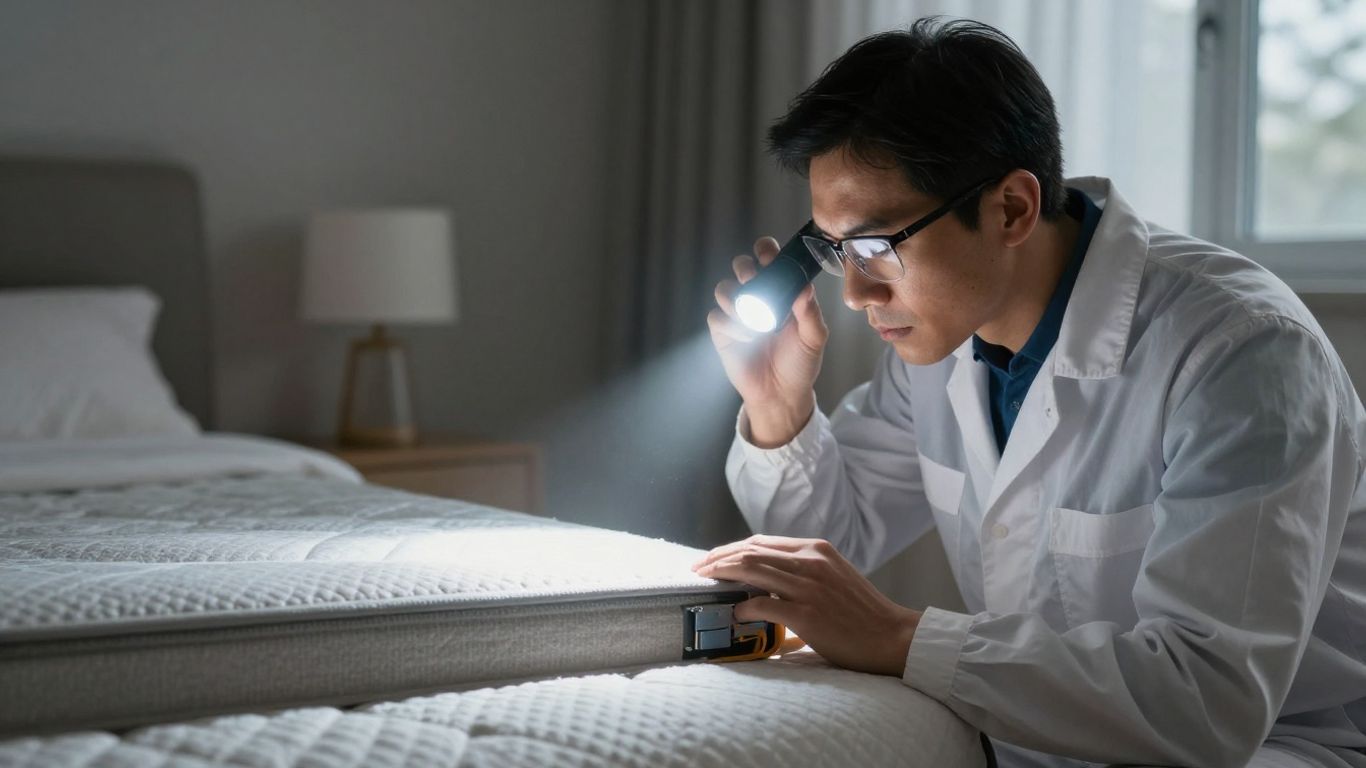
Complex home layouts or heavy clutter can complicate the extermination process, forcing providers to dedicate more time to the task. Our network at Eco First Pest Control emphasizes that transparency in these variables is what separates a professional, long-term solution from a quick, ineffective fix. If access is obstructed, technicians must spend valuable time clearing areas before they can apply effective measures.
Impact of infestation severity on labor hours
An extensive colony requires much more time than early detection cases, as professionals must meticulously treat every corner. When the population has stabilized and spread to multiple rooms, the intensity of surveillance rises sharply, leading to higher labor charges.
Accessing hard-to-reach areas like crawlspaces or attics
Areas that are difficult to reach present unique challenges that can influence your final quote. Technicians must exercise caution in cramped spaces, often requiring additional personal protective equipment or extended reach tools to ensure complete coverage of suspected nesting sites.
Number of rooms requiring intensive treatment
Many pest experts break down your total estimate by the number of active rooms rather than just square footage. Treating an entire floor involves different logistics than sealing off a single master bedroom, and the intensity of the materials required fluctuates based on how many zones are compromised.
Comparison of professional treatment methods
Professional services rely on specialized tools that are vastly different from standard retail options. Many homeowners find that the costs of DIY methods add up quickly when they fail, whereas a one-time investment in specialized professional labor often provides a much higher rate of return on the total bill.
Chemical treatment and residual pesticides
Chemical applications utilize precision sprays that remain active on surfaces, working to disrupt the lifecycle of bed bugs over several weeks. This method is often preferred for localized issues in specific rooms where infestation levels are moderate and localized to furniture or bed frames.
Whole-room heat treatment processes
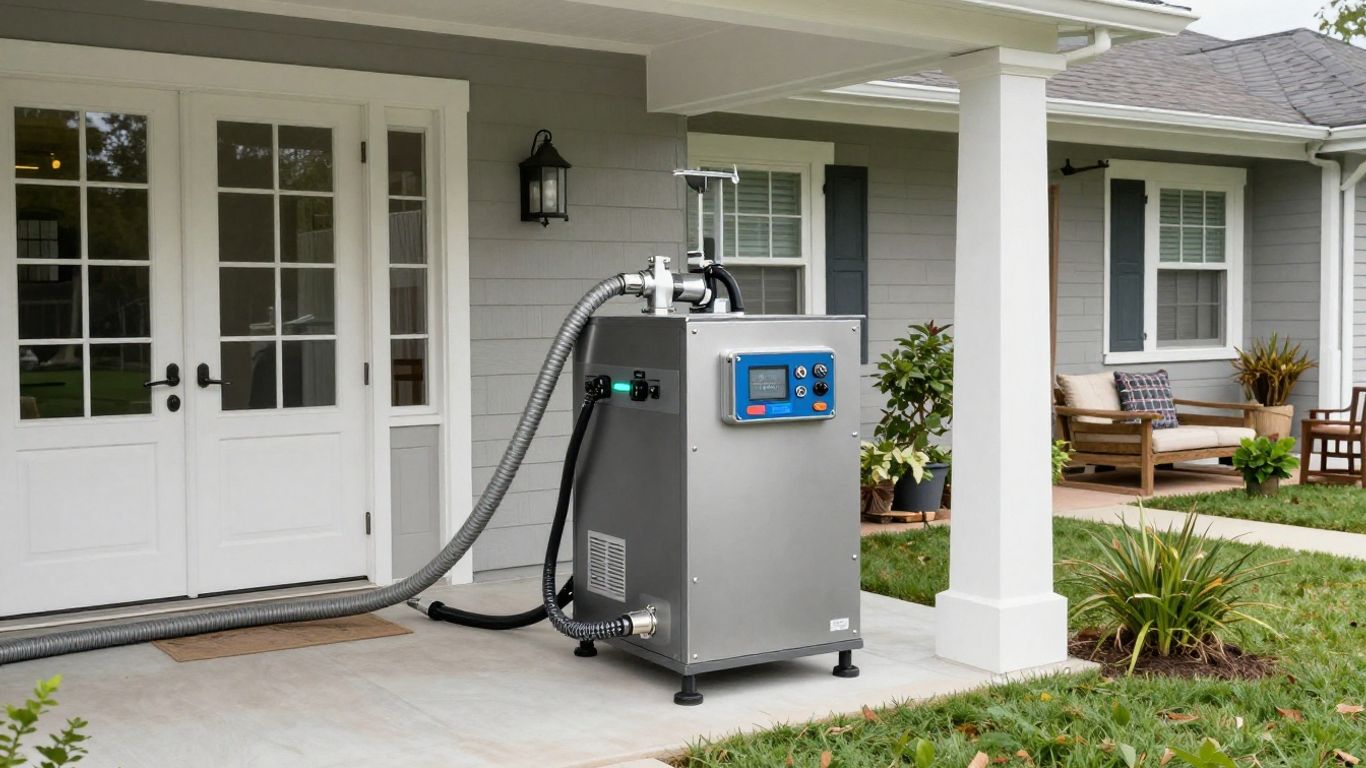
Heat remediation involves warming an entire room or home to a precise temperature that is lethal to bed bugs at all life stages. This is widely considered the most effective way to address severe problems in one visit, though it commands a higher price tag due to the heavy equipment and energy requirements.
Steam and cryogenic freezing applications
Direct contact methods like industrial-grade steam or liquid CO2 freezing target high-traffic areas without the need for long-term synthetic residue. These techniques allow specialists to sanitize delicate fabrics and mattresses safely while ensuring immediate elimination of the contact population.
Regional impacts on service pricing
Geography plays a massive role in what you will ultimately pay for services. As highlighted in this regional guide, local labor market volatility and logistical costs often cause significant price variance for the exact same level of work.
Differences between urban and rural labor rates
Urban centers often face higher overhead costs related to parking, service traffic, and higher standard wages for skilled workers. Conversely, rural areas might deal with longer travel times for technicians, which can be factored into your total invoice as a fuel or distance fee.
State-specific licensing and insurance requirements
Regulatory environments in different states dictate the type of materials allowed and the insurance minimums that companies must carry. These overhead costs are passed along to the consumer, ensuring that the work is performed under strict safety and environmental standards.
Availability of specialized local equipment
Companies that maintain specific local inventories of heat-treatment machinery might have different pricing than companies that must lease or transport these tools for every job. Having a local infrastructure for bed bug extermination is often the most economical route because it minimizes transport surcharges for heavy gear.
Navigating quotes and service agreements
Before signing any paperwork, it is vital to understand exactly what you are paying for regarding follow-ups and service guarantees. Relying on professional pest control experts ensures that you are clear on the path forward, helping you avoid hidden costs that can inflate an emergency bill.
What to look for in a written warranty or guarantee
Always request a clear written outline of the guarantee, including how many follow-up visits are included should the infestation return. A legitimate company will define the duration of this coverage and list any conditions that might void the agreement.
Red flags for predatory pricing and hidden fees
Be wary of companies that demand full payment upfront or provide quotes without a physical inspection of the premises. Legitimate professionals should explain their pricing metrics clearly, rather than bundling vague 'administrative fees' into your final quote.
Asking the right questions before hiring an exterminator
Effective communication with your service provider can prevent future misunderstandings. Consider the following checklist to ensure you have a complete picture of the process:
- How many previous visits for this level of infestation typically result in full eradication?
- Does the quote include mattress encasement or just the initial chemical application?
- Are there specific preparation steps I must complete to avoid additional labor charges?
- What happens if the problem persists after the final scheduled visit in this agreement?
This level of diligence ensures that your bed bug treatment investment is protected by clear terms and expectations.
Evaluating the cost-effectiveness of professional help
While the upfront expense of professional intervention may seem significant, the hidden trajectory of failed self-treatment is often much costlier in terms of time, mattress loss, and the mental burden of living with persistent pests.
Professional services provide a scientifically verified approach to pest management that DIY products simply cannot match. Investing in an expert inspection at the first sign of activity saves money in the long run by preventing a small problem from evolving into a full-scale home disaster.
Identifying hidden risks of failed self-treatment
Attempting to resolve the problem alone often lead to the insects scattering further into walls and adjacent rooms, making the final job much more expensive. Experts understand the biology of the pest, whereas retail options often treat only the surface, leading to a false sense of security while the colony continues to thrive underground.
Comparing the price of retail supplies versus professional labor
Retail products are often ineffective for comprehensive eradication. When you calculate the cumulative spend on unsuccessful sprays, traps, and replaced furniture, you will find that a professional consultation often costs less in the aggregate.
Calculating the long-term cost of recurrence
True cost-effectiveness is measured by the duration of efficacy. Recurrence of an infestation leads to repeated spending on mitigation, while a single robust professional effort stops the cycle, ultimately protecting your home assets and your peace of mind.
Conclusion
Determining the right price for your situation requires balancing the severity of the infestation, your local economic factors, and the reliance on professional expertise over ineffective temporary measures. By securing a thorough inspection and choosing a provider who emphasizes clear agreements, you ensure long-lasting relief from persistent pests in your space.
Frequently Asked Questions
Is it always necessary to discard my furniture if I have bed bugs?
In most cases, professionals trained in heat or chemical methods can treat existing furniture effectively without requiring you to throw it away. Discarding items often spreads the infestation further as you transport them through hallways or stairs, increasing the risk of reintroduction to your home.
How often do I typically need a follow-up visit after the first treatment?
Follow-up visits are usually scheduled two to six weeks after the initial treatment to monitor for new activity and address any nymphs that may have hatched from hidden eggs. This schedule is essential because chemical or heat treatments might not reach every single egg during the first round of application.
Can I tell if an infestation is severe just by looking at a room?
While finding visible evidence like waste spots, molted skins, or live insects on mattresses or headboards is a definitive sign, a professional inspection uses specialized equipment to find dormant colonies that remain undetected to the naked eye. Visible signs are often just the tip of the iceberg, which is why an expert assessment is necessary to gauge true severity.
Should I expect different pricing for different types of bed bug treatments?
Yes, heat-based treatments generally carry a higher price tag because they involve high-energy consumption and specialized, heavy-duty machinery. Chemical-based treatments are often more affordable for minor issues but may require more frequent repeat visits over time, which can balance the cost depending on the duration of the cycle.
Are there any specific steps I should take before an exterminator arrives?
Before professional service, cleaning your home by removing excess clutter and washing fabrics at high heat is vital to maximize the success of the chemicals or heat. Your provider will often supply a specific checklist of preparations, which may include clearing closets or drawers to ensure every surface is reachable by their equipment.
How do I know if the price I am being quoted is fair?
Fair pricing is usually aligned with the regional averages for your area, the specific square footage of your home, and the level of labor needed to treat your unique layout. Comparing multiple detailed quotes that include transparent itemized costs for visits, equipment, and labor will help you determine if an estimate is reasonable for your specific project.
Does homeowners insurance usually cover the cost of bed bug extermination?
Most standard homeowners insurance policies do not cover pest control or the damage caused by bed bugs because they consider such issues a routine maintenance responsibility. It is always wise to double-check your specific policy contract or call your provider directly, but you should expect the full cost of eradication to be an out-of-pocket residential expense.