
The complete guide to a termite inspection: what to know before you schedule
Key Takeaways
- Professional inspections are essential for identifying hidden termite activity early, preventing extensive structural damage.
- Common indicators include mud tubes, hollow-sounding wood, discarded wings, and frass droppings.
- Homeowners should prepare by clearing access to crawl spaces, basements, and exterior walls.
- Costs for these services fluctuate based on home size and specific regional factors.
- Eco First Pest Control helps homeowners connect with vetted experts to address findings with customized treatment plans.
Understanding the basics of a termite inspection
What is a professional termite inspection?
A professional termite inspection involves a systematic evaluation of your residence by a trained specialist who scans for signs of infestation. These experts check accessible areas looking for specific evidence left behind by subterranean or drywood species. By consulting resources like those describing what a termite inspector looks for, you can gain a clearer understanding of the meticulous nature of this task.
Why it is critical for homeowners
Proactive detection is the most effective way to avoid severe consequences. Termites often reside within walls or foundations, consuming wood from the inside without making their presence known until the damage is advanced. Taking the time to schedule a professional termite inspection can provide peace of mind and protect your asset from thousands of dollars in repairs.
How often you should schedule an inspection
Most industry professionals suggest annual checkups to ensure properties remain secure. If you live in a region where these pests are prevalent, bi-annual checks might be even better for peace of mind. Partnering with a reliable service provider like Eco First Pest Control can help you stay on a consistent schedule that accounts for your local climate conditions.
Common warning signs of a termite infestation
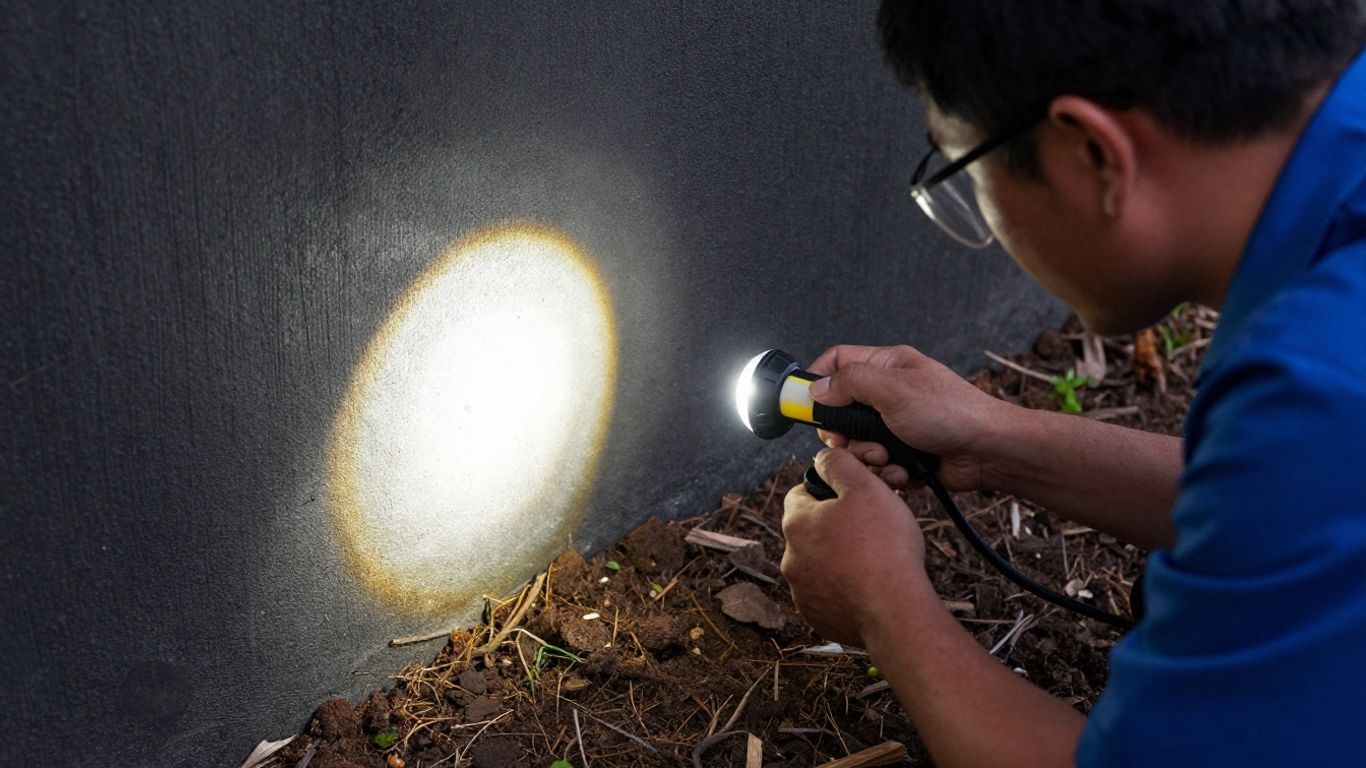
Visible mud tubes on foundations
Subterranean termites build tunnels often referred to as mud tubes to transport moisture and stay protected while moving to a food source. These structures are frequently found along the exterior foundations of homes. Spotting these small, dirt-colored lines confirms there is active movement toward your home.
Soft or hollow-sounding wood
When termites consume the interior of structural timbers, the wood may sound hollow when tapped. Probing surfaces can reveal a surface that is soft or easily pierced by a screwdriver. This damage is often extensive by the time it is detectable by a homeowner.
Discarded termite swarmer wings
During mating seasons, termites take flight to start new colonies. After finding a new home, they shed their wings, which are frequently left on window sills or near light sources. Finding these translucent, equal-sized wings is a strong indicator of nearby reproductive activity.
Accumulation of frass droppings
Drywood termites leave behind granular droppings known as frass. These look like small piles of sand or sawdust, often found in interior closets or under wooden furniture where colony activity might be hidden. The following table summarizes what these signs generally look like compared to other household debris:
| Sign Type | Appearance | Common Location | | --- | --- | --- | | Mud Tubes | Earth-tone earthen tunnels | Exterior foundation walls | | Frass | Granular, sand-like piles | Near wood furniture or corners | | Wings | Translucent, symmetrical wings | Windowsills or near light fixtures |
Once a surveyor identifies these signs, they will guide you on the necessary steps to secure your dwelling.
What to expect during the inspection process
Examining interior areas and crawl spaces
Inspectors begin by checking the most vulnerable zones, including basements, attics, and crawl spaces. These dark, humid areas provide ideal conditions for termites to thrive throughout the year. They look for direct contact between wood and soil, which acts as a bridge for the insects to reach your floor joists.
Exterior perimeter and landscaping assessment
Beyond the foundation, experts also evaluate your yard landscaping. They check for accumulated mulch, wood stacks, or dense vegetation touching the siding of your house. Removing these items reduces the chances of attracting pests to your property.
Specialized tools used by moisture and termite technicians
When visual observation isn't enough, technicians employ specialized technology to confirm activity. They may use moisture meters to locate damp zones or even acoustic sensors to listen for movement within walls. This ensures a comprehensive evaluation of the structure.
Documenting findings in a comprehensive property report
Every inspection concludes with a report that outlines the condition of your home. This document often maps out specific problem areas and provides tailored recommendations for remediation. The following steps are typically suggested for homeowners looking to maintain safety:
- Seal cracks in foundations or masonry to prevent entry.
- Repair leaky pipes or faucets to reduce moisture levels.
- Ensure firewood and lumber are stored far from the structure.
- Maintain a regular schedule for follow-up professional checks.
Working with a provider like Eco First Pest Control allows you to receive these detailed assessments directly from knowledgeable, local professionals.
Financial considerations and inspection costs
Average market rates for standard inspections
While prices vary across the country, learning about the average cost of inspection can help you budget effectively for the service. Typically, homeowners can expect to pay a modest fee for a thorough, expert review.
Factors that influence the final service price
Several variables impact the final bill, including the size of your square footage and the complexity of your property’s layout. Larger homes or those with difficult-to-access crawl spaces may require more time and specialized equipment, which naturally adjusts the cost.
Differentiating between free quotes and paid professional reports
It is helpful to distinguish between a marketing quote and a formal, signed inspection report. A paid report is a legal document that usually details the specific structural findings required for real estate transactions or bank loans. Always clarify which type of verification you are receiving before the technician arrives.
Preparing your home for an inspection
Clearing clutter from interior wall perimeters
Cleaning up the edges of your rooms is vital for a clear line of sight. By moving boxes, storage bins, and furniture away from the base of interior walls, you allow the technician to inspect the foundation and wall plates properly. This simple step creates the visibility needed for a high-quality assessment.
Providing accessible routes to attics and basements
Ensure that all attic entries and crawl space hatches are unlocked and clear of obstruction. If your basement is finished, having access to storage closets or utility rooms is equally important for detecting silent activity behind the walls.
Removing stored items or debris from yard perimeters
Outside, check the area immediately touching your foundation. Ensure that items like landscape timbers, boards, or dense foliage are pulled back, as these act as attractants. A clean, debris-free exterior environment significantly aids the inspector in identifying potential entry points.
Next steps after a positive termite finding
Evaluating treatment recommendations from professionals
If an infestation is confirmed, an expert will provide a specific plan of action. Do not panic, as modern technologies are highly effective at neutralizing threats. Ensure you review the proposed strategy, which might involve liquid barriers or sophisticated baiting systems.
Comparing different pest control chemical and baiting methods
Discuss the benefits of various treatments with your Eco First Pest Control expert. Some methods, like subterranean baiting, work by preventing the colony from molting, while others focus on direct liquidation to block entry. Choose the strategy that best aligns with your home's construction and your environmental preferences.
Implementing preventative measures against future infestations
Long-term protection relies on ongoing awareness. Once existing pests are addressed, follow the guidance provided on controlling moisture and maintaining a clear perimeter. Consistency is the most important element in sustaining an environment that is unattractive to future colonies.
Conclusion
A thorough termite inspection is a necessary investment to sustain the structural lifespan of your house. By remaining vigilant for common signs of activity and scheduling regular professional checks, you can mitigate the risks of damage that often go unnoticed for years. Maintaining a clean and dry perimeter provides the best defense against persistent pests, ensuring your property stays safe and sound for the future.
Frequently Asked Questions
Do I need an inspection if I have no visible signs?
Yes, an inspection is recommended because termites often operate internally where they remain hidden from a casual glance until considerable damage occurs.
How long does a standard termite inspection typically take?
An inspection can take anywhere from 45 minutes to two hours depending on the home's square footage, crawl space access, and specific features.
Can I perform a termite inspection by myself?
While homeowners can monitor for obvious signs, professional inspectors are trained to spot subtle indicators and understand the behavioral patterns of different termite species.
Is termite damage covered by standard home insurance?
Typically, standard homeowner policies exclude coverage for termite damage, which is seen as a preventable maintenance issue by insurers.
What should I do if the inspector finds termites?
Review the expert's documented treatment plan, compare your available options, and begin a professional treatment protocol to prevent further structural degradation.
Will a termite inspection require drilling into my home?
Usually, inspectors do not need to drill, but they may use specialized tools or request to drill small, non-obstructive holes if they suspect activity in closed-off wall voids.
Are inspection requirements different for new home buyers?
Yes, lenders often mandate a specific termite clearance letter for VA or FHA loans to verify the structural integrity of the property before the mortgage closing.