Mosquito Control in Fort Lauderdale, FL
If mosquitoes are driving you off your own patio, targeted treatment can give the yard back. Eco First Pest Control connects homeowners throughout Fort Lauderdale and surrounding communities with mosquito control professionals offering barrier sprays, breeding-site management, and season-long programs.
Professional mosquito control targets where mosquitoes actually live: barrier treatments on shaded foliage where adults rest, larvicides in water that can't be drained, and source reduction for the container breeding sites that produce most backyard mosquitoes.
Why Fort Lauderdale Homes Deal With Mosquito Control
Florida has a humid subtropical climate, and that shapes everything about local pest pressure. Warm temperatures and humidity make this one of the longest mosquito seasons in the country, with Aedes (day-biting) and Culex species both active. Yards with any standing water stay infested without treatment.
Season typically runs March through November — among the longest in the U.S. Providers serving Fort Lauderdale know the local housing stock and pest seasons, and typically cover Broward County as a whole.
What Makes a Yard Mosquito-Friendly
Standing water anywhere
Plant saucers, clogged gutters, toys, tarps, and birdbaths — many species breed in a bottle cap of water within a week.
Dense shade and foliage
Adult mosquitoes rest on the undersides of leaves in shaded, humid spots during the day.
Heavy daytime biting
Aggressive day-biting usually means container-breeding Aedes mosquitoes living within a few hundred feet — often on your own property.
Evening swarms
Dusk activity points to Culex species, the primary West Nile vectors, often breeding in stagnant water nearby.
Water features and low spots
Unmaintained ponds, drainage ditches, and lawn depressions that hold rain are production sites.
Cutting Mosquito Numbers Between Treatments
Tip and toss weekly
Empty anything holding water once a week — it breaks the breeding cycle before larvae mature.
Maintain gutters and drainage
Clogged gutters are hidden nurseries; clean them and grade low spots that pond after rain.
Treat what you can't drain
Bti larvicide dunks safely treat rain barrels, ponds, and persistent puddles.
Manage vegetation
Thin dense shrubs and keep grass cut to reduce daytime resting habitat.
Run a fan outdoors
Mosquitoes are weak fliers — a simple fan on the patio meaningfully cuts bites during gatherings.
Mosquito Control Timing in Fort Lauderdale
Active season
effectively year-round
Peak pressure
March through November
Mosquito pressure in Fort Lauderdale concentrates wherever water sits for more than about a week — clogged gutters, plant saucers, tarps and low spots in the yard are the usual sources.
What Mosquito Control Costs in Fort Lauderdale
$75–$200
per seasonal yard treatment
Mid-sized markets typically land in the middle of this range, with pricing driven mainly by property size and severity.
Ranges are typical market estimates, not quotes — final pricing depends on property size, severity and access.
Mosquito Control Cost by Treatment Method in Fort Lauderdale
| Treatment | Typical cost | Notes |
|---|---|---|
| Single barrier treatment | $75–$200 | Residual applied to shaded resting areas. Lasts roughly three to four weeks. |
| Seasonal package (6–8 treatments) | $400–$900 | The usual arrangement. Works out cheaper per visit than one-offs. |
| Larvicide / standing water treatment | $50–$150 | Targets breeding sites. Often the highest-value part of the visit. |
| Special event treatment | $100–$300 | Applied 24–48 hours before an outdoor event. |
| Misting system installation | $2,000–$5,500 | Permanent perimeter system. Worth it only for heavy, sustained pressure. |
| Misting system refill / service | $200–$500per season | Ongoing cost people frequently overlook when quoted an install. |
Cost by Property Size in Fort Lauderdale
| Property size | Typical range |
|---|---|
| Under 1,000 sq ft | $60–$160 |
| 1,000 – 2,000 sq ft | $75–$200 |
| 2,000 – 3,000 sq ft | $90–$240 |
| 3,000 – 4,000 sq ft | $100–$270 |
| Over 4,000 sq ft | $115–$310 |
Typical market ranges for Fort Lauderdale, not quotes. Access, construction type and severity all move the final figure.
What a Fair Mosquito Control Quote Looks Like
Pricing in this trade varies widely for the same job, and most of that variation is not the treatment — it is what gets bundled, warrantied or upsold around it. Here is what a straightforward quote in Fort Lauderdale should contain, and what should give you pause.
A quote should include
- A written inspection finding — what was found, where, and which species
- The specific treatment proposed and why it suits that species
- What is and is not covered, in writing
- Follow-up visits: how many, when, and whether they are included in the price
- Preparation instructions before the visit
- The technician’s licence number and proof of insurance
- Any guarantee period, and precisely what triggers a free re-treatment
What should give you pause
A price quoted before inspection
Property size, access and severity all move the figure. A phone quote is an anchor, not a commitment.
Annual contracts with no cancellation terms
Read the cancellation clause before signing. Auto-renewal with a penalty is common and easy to miss.
Vague "we use safe products"
Ask which EPA-registered product, applied where, and what the re-entry interval is. A professional will answer without hesitating.
No follow-up included
Most infestations need a second visit to break the life cycle. If follow-up is charged separately, factor it into the comparison.
No licence or insurance offered
Every state licenses pest control operators. A provider who will not show a licence number is not one to use.
If a quote is materially above the ranges above, that is not automatically wrong — access, construction and severity genuinely move the figure. But it does mean the provider should be able to explain exactly what accounts for the difference.
Mosquito Control Cost Calculator for Fort Lauderdale, FL
Estimate what mosquito control is likely to cost on your property. The starting range reflects local Fort Lauderdale market rates; property size and how far the problem has progressed adjust it from there.
Estimated cost in Fort Lauderdale
$75 – $200
per seasonal yard treatment
A one-off treatment suits a single identified problem. For ongoing pressure, a recurring plan usually costs less over a year.
Get an exact quote: +1 855 774 7802Estimates only, not a quote. Figures are based on typical Fort Lauderdale market rates and adjust for property size and severity. Access, construction type and the specific pest all affect final pricing, which is why providers quote after inspection.
Mosquito Activity Calendar for Fort Lauderdale
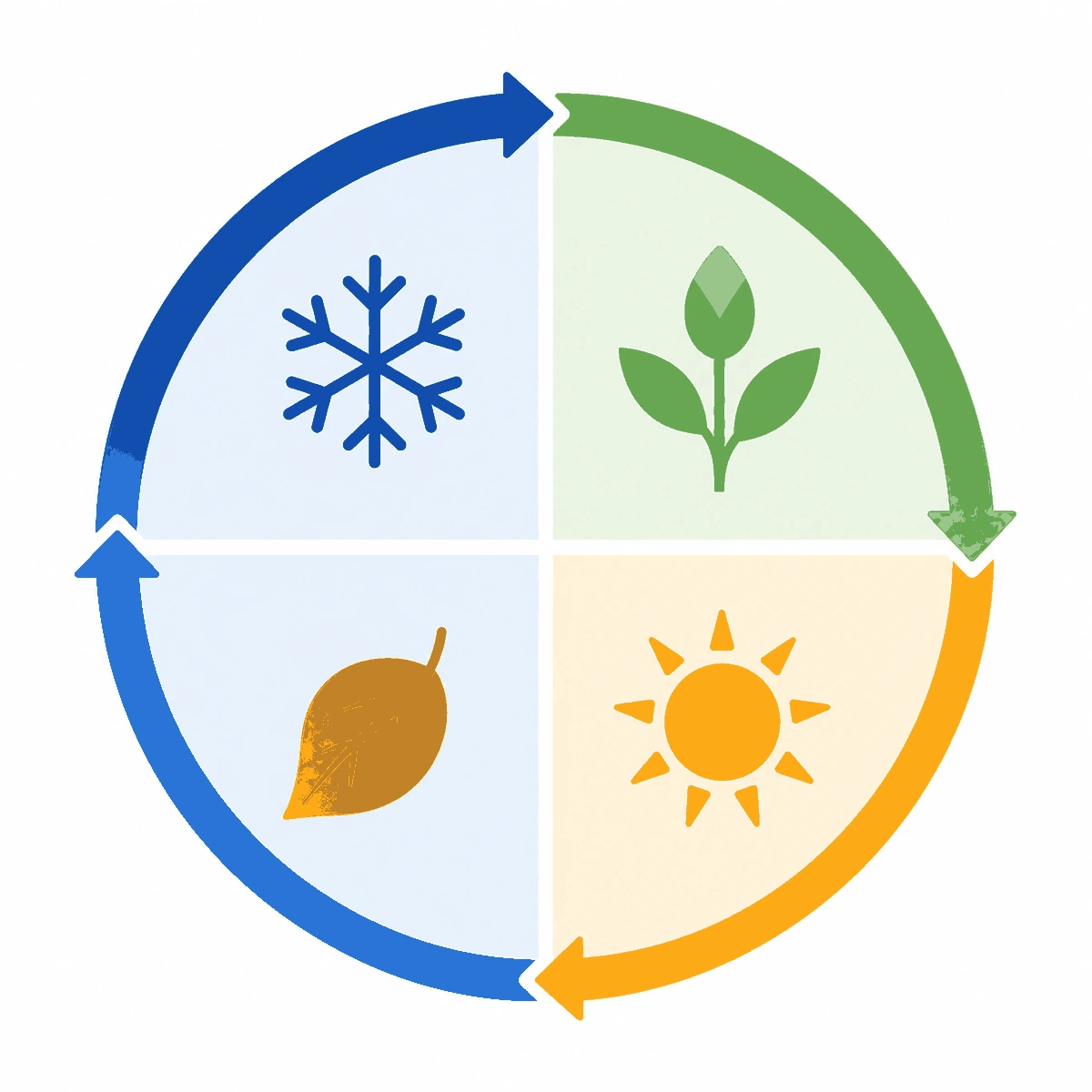
Activity levels below are derived from Fort Lauderdale's measured monthly temperature normals. Insect development effectively stops below about 50°F and accelerates above 75°F, so the local temperature curve sets the calendar.
| Month | Avg temp | Activity |
|---|---|---|
| January | 69°F | High |
| February | 70°F | High |
| March | 73°F | High |
| April | 77°F | Peak |
| May | 80°F | Peak |
| June | 83°F | Peak |
| July | 84°F | Peak |
| August | 84°F | Peak |
| September | 83°F | Peak |
| October | 80°F | Peak |
| November | 75°F | Peak |
| December | 72°F | High |
Fort Lauderdale never drops into a dormant month, so mosquito activity continues year-round, peaking in April through November. That is why continuous prevention outperforms one-off seasonal treatment in this market.
Monthly temperature normals: NOAA 1991–2020.
Fort Lauderdale Climate and Pest Activity
Average July high
90°F
Average January low
61°F
Months above 80°F
8 of 12
Frost-free months
12 of 12
Annual precipitation
61"
Fort Lauderdale runs an average July high of 90°F and a January low near 61°F, with 8 months of the year averaging above 80°F.
Mosquito development tracks temperature closely: larvae stop developing below roughly 50°F and accelerate as it warms. With 12 frost-free months, Fort Lauderdale supports an active window of about 52 weeks — with a more moderate peak that keeps generations from overlapping as aggressively as in hotter markets. The 61 inches of annual precipitation keeps standing water replenished, so source reduction has to be repeated rather than done once.
Figures are 1991–2020 climate normals from the NOAA station at Ft Lauderdale Intl Ap, 4 miles away.
Fort Lauderdale Housing and Pest Risk
Housing units
101,234
Built before 1960
24%
Single-family detached
35%
Owner-occupied
54%
Built since 2010
12%
Fort Lauderdale has about 101,234 housing units, 24% of them built before 1960 and 35% single-family detached.
A newer housing stock means fewer structural entry points, so treatment here tends to focus on the perimeter and on landscaping conditions — irrigation, mulch against the foundation and vegetation touching the structure — rather than on extensive sealing.
Median home value locally is around $455,600, which is worth weighing against treatment cost — particularly for termite work, where an untreated colony can cause damage running to many thousands of dollars and is excluded from virtually every homeowner policy.
Housing figures: US Census Bureau, American Community Survey 5-year estimates (2023).
Pest Species Common Around Fort Lauderdale
Mosquito species differ regionally, and they breed in different places — which is why effective control starts with identifying the source, not just spraying.
Aedes aegypti
A daytime biter that breeds in very small containers close to the house, so yard-level source reduction matters more than area spraying.
Culex quinquefasciatus
A dusk-active species that breeds in stagnant, organically rich water such as neglected drains and catch basins.
Local Conditions in Fort Lauderdale, FL
Fort Lauderdale's population of roughly 182,673 supports several established providers, so scheduling is usually possible within a few days outside peak season.
Because Florida stays warm through most of the year, pest activity here never fully stops, and ongoing prevention tends to outperform one-off treatment.
At 26.1° latitude, Fort Lauderdale sits far enough south that the treatment calendar here runs noticeably longer than the national average — worth knowing when planning a service schedule.
What Happens on the Visit
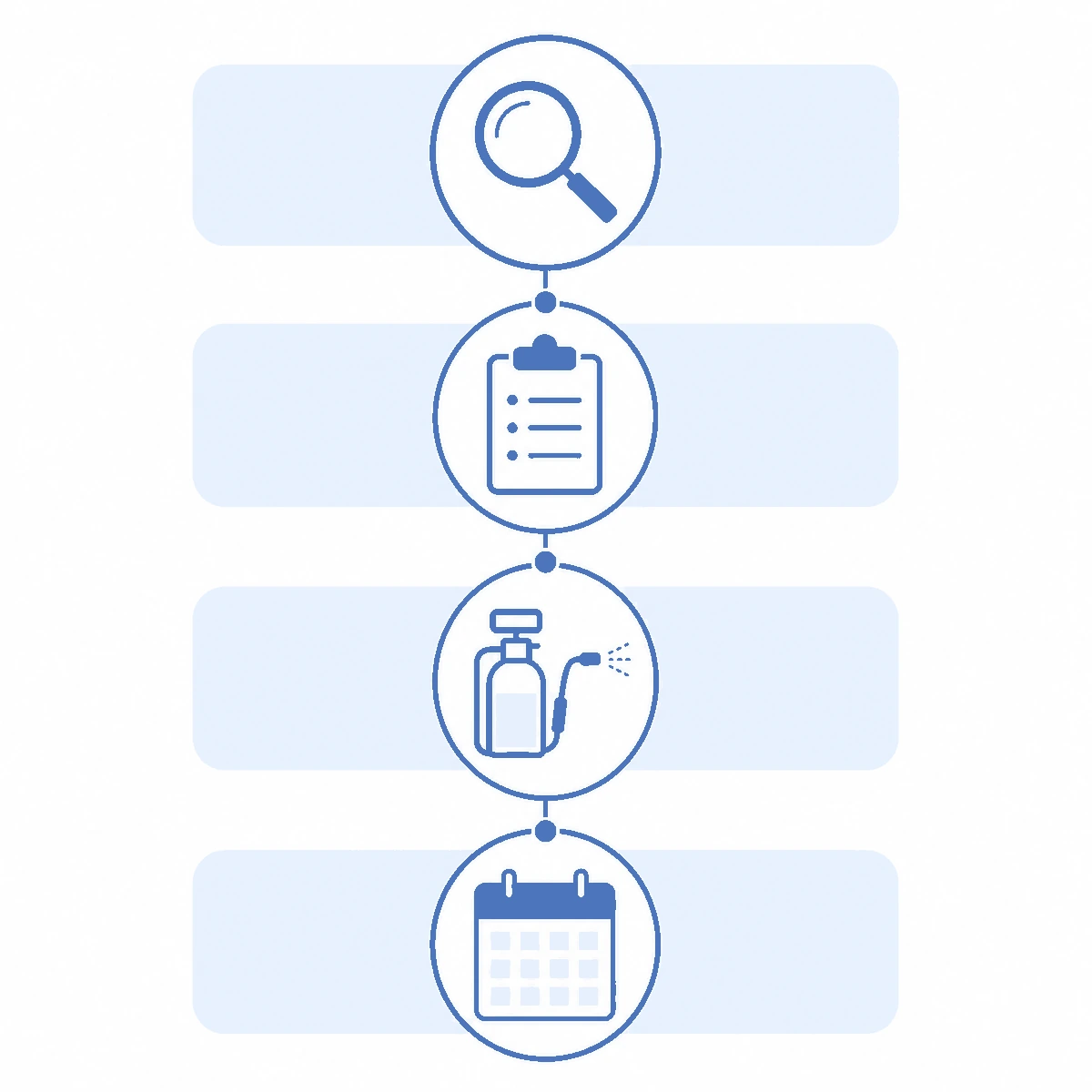
Property walk
The technician identifies breeding sites — gutters, planters, tarps, low spots — that produce the mosquitoes you are actually seeing.
Source reduction
Standing water is drained or treated with larvicide, which stops the next generation rather than only killing adults.
Barrier treatment
Residual product is applied to shaded resting areas: shrub undersides, fence lines and dense foliage.
Seasonal schedule
Treatments are typically repeated every three to four weeks through the active season to maintain the barrier.
Availability around Fort Lauderdale is generally good outside the peak weeks of the season; calling before the seasonal rush gets you a wider choice of appointment times.
How It Works in Fort Lauderdale
Getting help through Eco First Pest Control is straightforward — one call, and a local professional takes it from there.

Call and describe the problem
Call +1 855 774 7802 and tell us what you're seeing, where, and for how long. It takes a couple of minutes.
Get matched with a local pro
We connect you with a licensed exterminator who covers your neighborhood and handles your specific pest.
Inspection and quote
The technician inspects the property, identifies the species and source, and gives you a clear treatment plan and price before any work starts.
Targeted treatment
Treatment uses products and methods matched to the pest and your household — including kid- and pet-conscious options where appropriate.
Prevention and follow-up
You get practical prevention steps, and many providers include follow-up visits or guarantees to make sure the problem stays solved.
Mosquito Control FAQs for Fort Lauderdale, FL
How long does a barrier treatment last?
Generally 21–30 days, less after heavy repeated rain. That's why season-long programs schedule visits on a 3–4 week cycle.
Will treatment harm bees and butterflies?
Responsible providers treat resting foliage (leaf undersides, shaded shrubs) rather than blooming plants, and time applications to avoid pollinator activity. Tell your technician about gardens and hives so they can plan around them.
Can one yard really be treated effectively?
Yes — most biting mosquitoes live and breed within a few hundred feet of where they bite you. Treating your property's resting and breeding sites delivers a noticeable drop even if neighbors do nothing.
When should I start service?
Start when daytime temperatures consistently reach the 70s and continue through first frost. Starting early in the season prevents the population from establishing at all.
How long is mosquito season here?
In most of the Southeast, roughly March through November, and nearly year-round along the Gulf. Monthly barrier treatments during this window keep populations down.
How much does mosquito control cost in Fort Lauderdale?
Most Fort Lauderdale homeowners pay roughly $75–$200 per seasonal yard treatment. Mid-sized markets typically land in the middle of this range, with pricing driven mainly by property size and severity. Call +1 855 774 7802 for a quote on your specific property.
Do I need one-time or recurring service in Fort Lauderdale?
With Fort Lauderdale staying frost-free for most of the year, pest pressure here barely pauses, and recurring quarterly service generally outperforms one-off treatment. A single visit still makes sense for a specific problem such as a wasp nest.
When is mosquito control most needed in Fort Lauderdale?
Effectively year-round, peaking March through November. Mosquito pressure in Fort Lauderdale concentrates wherever water sits for more than about a week — clogged gutters, plant saucers, tarps and low spots in the yard are the usual sources.
How quickly can someone come out in Fort Lauderdale?
Availability around Fort Lauderdale is generally good outside the peak weeks of the season; calling before the seasonal rush gets you a wider choice of appointment times.
Does winter in Fort Lauderdale kill off mosquitoes?
No. With a January low averaging 61°F, Fort Lauderdale never gets cold enough for a meaningful winter die-off, so mosquitoes stay active year-round here. That is the main reason continuous prevention outperforms seasonal treatment in this market.
What time of year should I book mosquito control in Fort Lauderdale?
Fort Lauderdale is frost-free for roughly 12 months of the year, so there is no true off-season and treatment can begin whenever the problem appears. Booking before the spring build-up gives the best result and the widest choice of appointment times.
Does Fort Lauderdale's rainfall affect mosquitoes?
Yes. Fort Lauderdale receives about 61 inches of precipitation a year, which keeps soil and shaded areas damp for much of the season. That sustains mosquitoes populations and, for termites in particular, raises the risk of the moisture damage that attracts them in the first place. Drainage and gutter maintenance do real work here.
Which mosquitoes are most common around Fort Lauderdale?
Aedes aegypti, Culex quinquefasciatus. A daytime biter that breeds in very small containers close to the house, so yard-level source reduction matters more than area spraying. Identifying the species correctly matters because it determines the treatment — an approach that works on one is often useless against another.
Why do mosquitoes seem worse some summers in Fort Lauderdale?
Development speed tracks temperature. Fort Lauderdale averages a July high of 90°F across 8 months above 80°F, and in hotter-than-normal years the egg-to-adult cycle shortens — so more generations complete in the same season. That is why a warm spring often produces a noticeably worse summer, and why treatment timing matters more than treatment volume.
Get Mosquito Control in Fort Lauderdale Today
You don't have to surrender your yard every summer. Connect with a mosquito control pro serving Fort Lauderdale, FL and make outdoor evenings comfortable again.
Connect with a trusted pest control expert near Fort Lauderdale