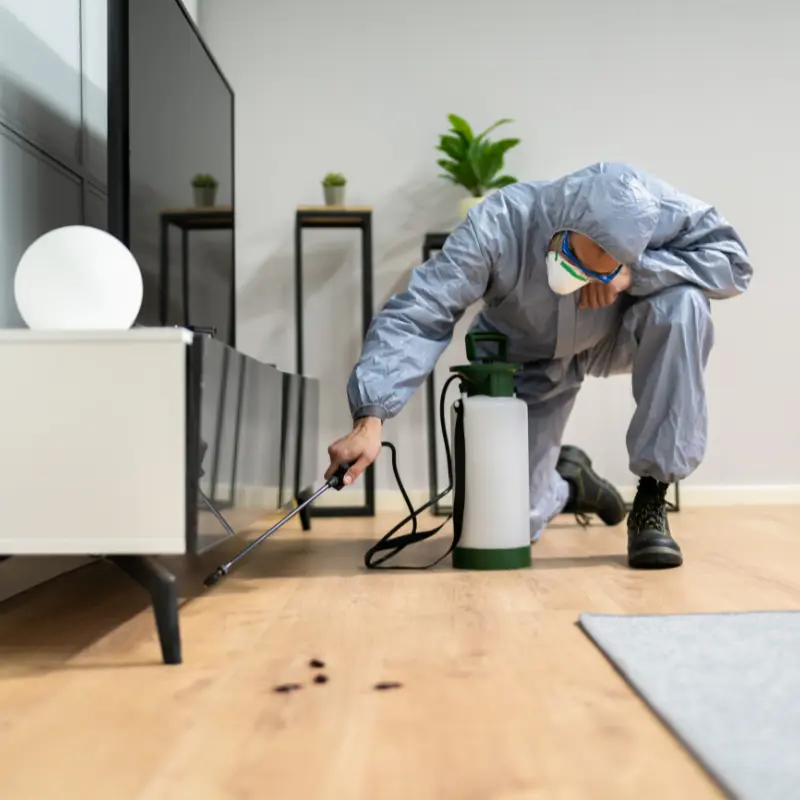
Residential Pest Control Services in Savannah, GA
From seasonal invaders to year-round infestations, homes in Chatham County face steady pest pressure. Eco First Pest Control puts you in touch with experienced exterminators across the Savannah metro area — one call, and a local pro handles the rest.
Every treatment starts with a proper inspection, because lasting results come from treating the source — nests, entry points, and attractants — not just the pests you can see.
Why Savannah Homes Deal With Residential Pest Control Services
Georgia has a humid subtropical climate, and that shapes everything about local pest pressure. The humid subtropical climate keeps pests active nearly year-round. Cockroaches (including large "palmetto bugs"), fire ants, mosquitoes, and odorous house ants are constant pressures, and mild winters mean infestations rarely die off on their own.
Expect peak insect activity from March through October, with rodents pushing indoors during the brief cool season. Savannah is one of Georgia's largest cities, and the pest control providers in our network here offer broad coverage and fast scheduling across its neighborhoods.
Common Household Pests We Address
Ants
Fire ants in the yard and carpenter ants in damp framing are the two that matter most across the Southeast; correct species ID decides whether bait or a direct nest treatment is appropriate.
Cockroaches
German roaches in kitchens and baths or larger outdoor species coming in around doors — both are health concerns that respond to targeted gel baits and treatments.
Spiders
Brown recluses are well established across much of the Southeast and black widows are common in outbuildings — both warrant direct treatment rather than web removal alone.
Rodents
Mice and rats are handled with trapping, baiting, and sealing the gaps they use to get in.
Wasps & bees
Safe nest removal from eaves, wall voids, and ground burrows — honey bee situations are referred to relocation when possible.
Occasional invaders
Earwigs, silverfish, centipedes, crickets, and stink bugs that wander in seasonally are controlled with perimeter treatments.
How to Keep Pests Out Between Treatments
Seal entry points
Door sweeps, screen repairs, and sealing gaps around pipes and cables block the most common pest highways into the house.
Control moisture
Fix drips, clear gutters, and ventilate damp areas — most pests follow water before food.
Store food tight
Airtight containers and prompt crumb cleanup remove the buffet that sustains ant and roach populations.
Trim vegetation back
Branches and shrubs touching the house act as bridges; keep an 18-inch gap where you can.
Declutter storage areas
Cardboard and clutter in garages and basements shelter roaches, spiders, and rodents — plastic bins cut harborage.
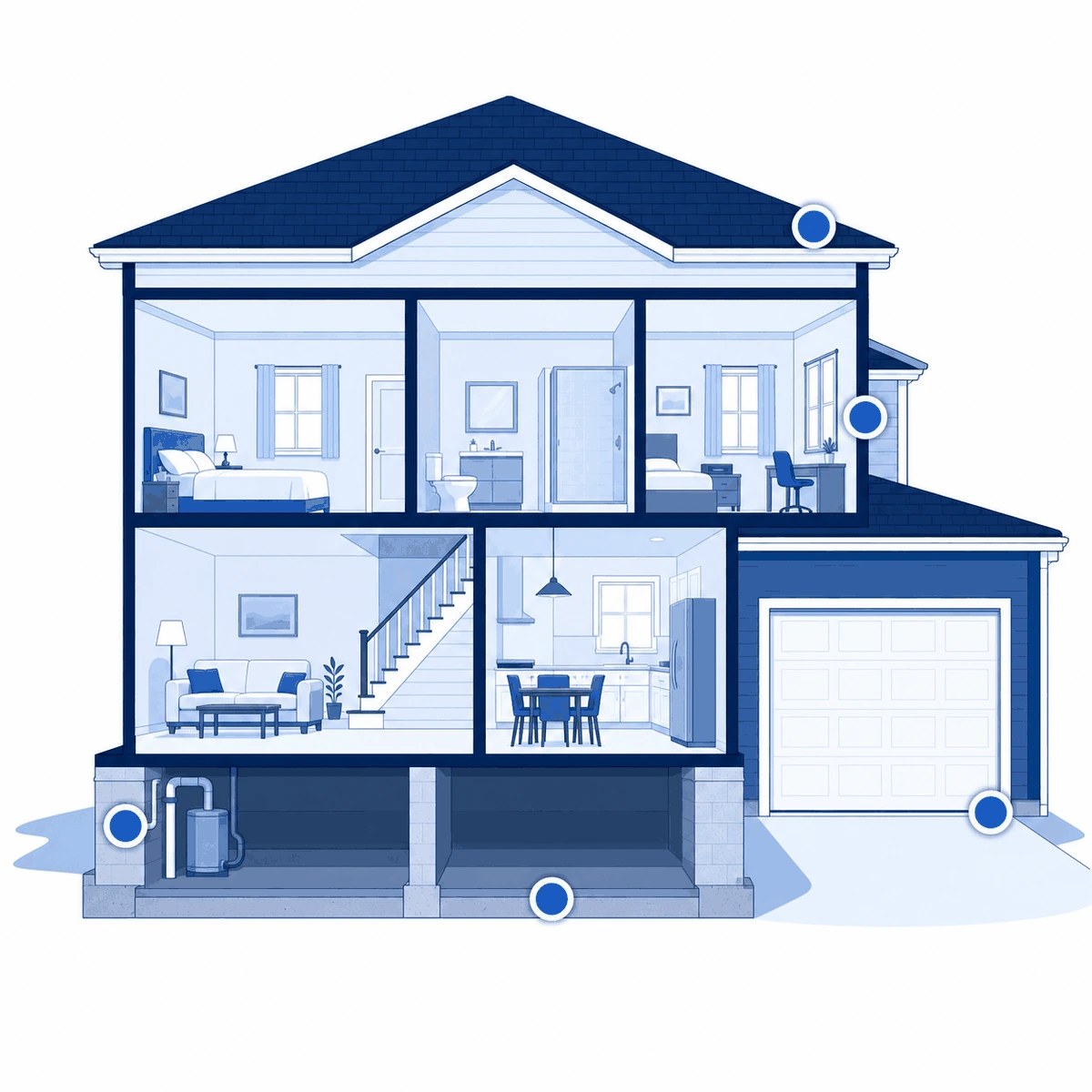
Residential Pest Control Services Timing in Savannah
Active season
effectively year-round
Peak pressure
April through October
Pest pressure in Savannah follows the local season, building through the warm months and easing as temperatures drop.
What Residential Pest Control Services Costs in Savannah
$175–$400
for an initial treatment
Larger metro markets sit at the higher end of this range, though competition between providers keeps quotes closer together than you might expect.
Ranges are typical market estimates, not quotes — final pricing depends on property size, severity and access.
Residential Pest Control Services Cost by Treatment Method in Savannah
| Treatment | Typical cost | Notes |
|---|---|---|
| One-time general treatment | $175–$460 | Single visit for an identified problem. |
| Initial visit on a recurring plan | $175–$400 | Higher than subsequent visits — it covers inspection and the initial knockdown. |
| Quarterly plan, per visit | $105–$230 | The most common residential arrangement. |
| Quarterly plan, monthly equivalent | $35–$75per month | How most companies advertise it. Compare on the annual total instead. |
| Monthly plan | $45–$90per month | Usually reserved for heavy or commercial-grade pressure. |
| German cockroach programme | $460–$1,380 | Needs multiple visits to break the breeding cycle. Priced above general service for good reason. |
| Ant treatment (carpenter) | $290–$805 | Higher than nuisance ants because it usually involves locating a nest inside the structure. |
| Emergency / same-day call-out | $115–$345surcharge | On top of treatment cost. Ask whether it applies before booking. |
Cost by Property Size in Savannah
| Property size | Typical range |
|---|---|
| Under 1,000 sq ft | $140–$370 |
| 1,000 – 2,000 sq ft | $175–$460 |
| 2,000 – 3,000 sq ft | $210–$550 |
| 3,000 – 4,000 sq ft | $235–$620 |
| Over 4,000 sq ft | $270–$715 |
Typical market ranges for Savannah, not quotes. Access, construction type and severity all move the final figure.
What a Fair Residential Pest Control Services Quote Looks Like
Pricing in this trade varies widely for the same job, and most of that variation is not the treatment — it is what gets bundled, warrantied or upsold around it. Here is what a straightforward quote in Savannah should contain, and what should give you pause.
A quote should include
- A written inspection finding — what was found, where, and which species
- The specific treatment proposed and why it suits that species
- What is and is not covered, in writing
- Follow-up visits: how many, when, and whether they are included in the price
- Preparation instructions before the visit
- The technician’s licence number and proof of insurance
- Any guarantee period, and precisely what triggers a free re-treatment
What should give you pause
A price quoted before inspection
Property size, access and severity all move the figure. A phone quote is an anchor, not a commitment.
Annual contracts with no cancellation terms
Read the cancellation clause before signing. Auto-renewal with a penalty is common and easy to miss.
Vague "we use safe products"
Ask which EPA-registered product, applied where, and what the re-entry interval is. A professional will answer without hesitating.
No follow-up included
Most infestations need a second visit to break the life cycle. If follow-up is charged separately, factor it into the comparison.
No licence or insurance offered
Every state licenses pest control operators. A provider who will not show a licence number is not one to use.
If a quote is materially above the ranges above, that is not automatically wrong — access, construction and severity genuinely move the figure. But it does mean the provider should be able to explain exactly what accounts for the difference.
Residential Pest Control Services Cost Calculator for Savannah, GA
Estimate what residential pest control services is likely to cost on your property. The starting range reflects local Savannah market rates; property size and how far the problem has progressed adjust it from there.
Estimated cost in Savannah
$175 – $400
for an initial treatment
A one-off treatment suits a single identified problem. For ongoing pressure, a recurring plan usually costs less over a year.
Get an exact quote: +1 855 774 7802Estimates only, not a quote. Figures are based on typical Savannah market rates and adjust for property size and severity. Access, construction type and the specific pest all affect final pricing, which is why providers quote after inspection.
Pest Activity Calendar for Savannah
Activity levels below are derived from Savannah's measured monthly temperature normals. Insect development effectively stops below about 50°F and accelerates above 75°F, so the local temperature curve sets the calendar.
| Month | Avg temp | Activity |
|---|---|---|
| January | 51°F | Low |
| February | 54°F | Low |
| March | 60°F | Moderate |
| April | 67°F | High |
| May | 74°F | High |
| June | 81°F | Peak |
| July | 83°F | Peak |
| August | 82°F | Peak |
| September | 78°F | Peak |
| October | 69°F | High |
| November | 59°F | Moderate |
| December | 54°F | Low |
Savannah never drops into a dormant month, so pest activity continues year-round, peaking in June through September. That is why continuous prevention outperforms one-off seasonal treatment in this market.
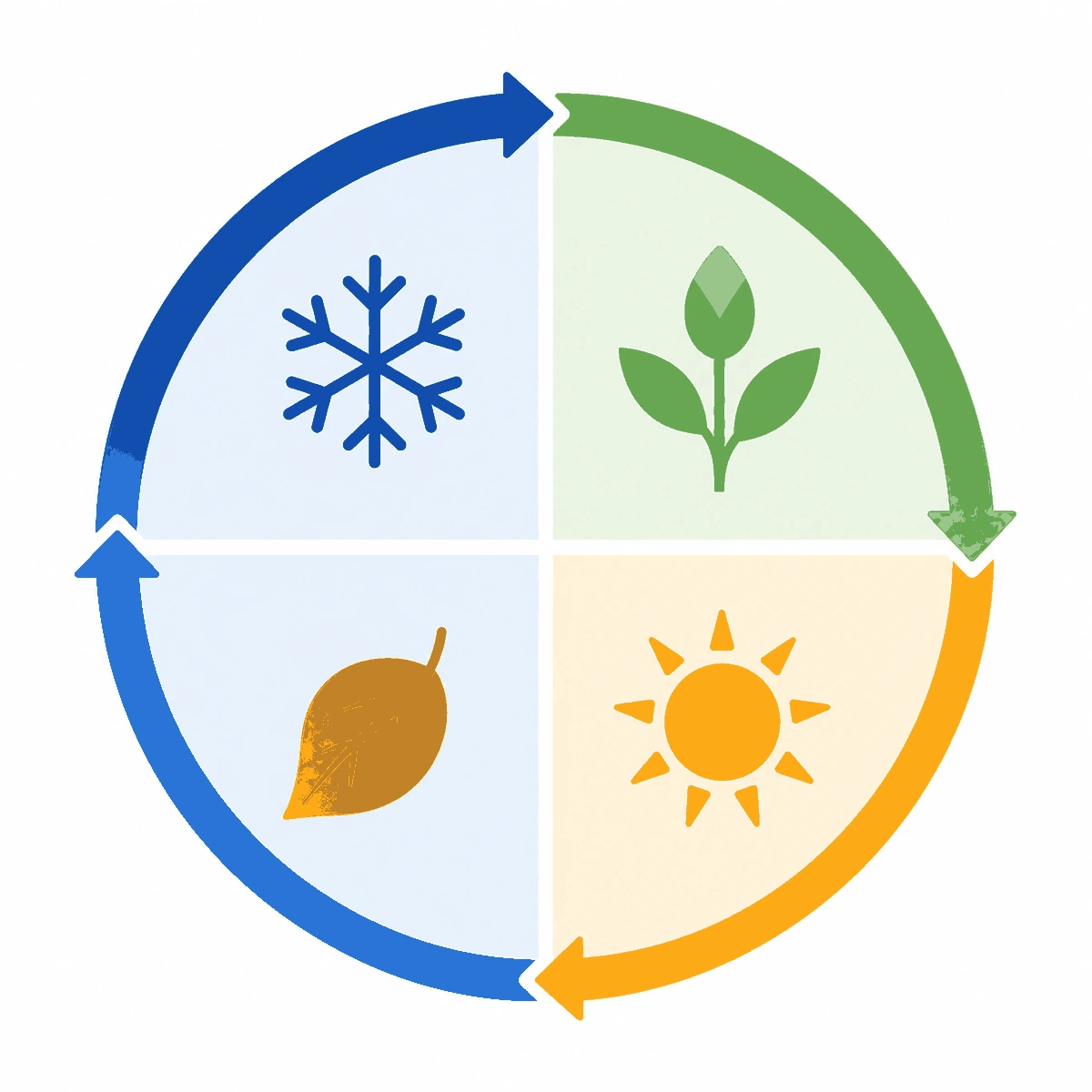
Monthly temperature normals: NOAA 1991–2020.
Savannah Climate and Pest Activity
Average July high
92°F
Average January low
40°F
Months above 80°F
5 of 12
Frost-free months
12 of 12
Annual precipitation
48.1"
Measured against the 1991–2020 normals, Savannah sees 5 months above 80°F, peaks around 92°F in July and drops to roughly 40°F in January.
Those figures set the local pest calendar: activity builds as spring temperatures climb past the 50°F threshold most insects need, peaks across the 5 months above 80°F, and tapers as Savannah moves toward its January average of 40°F.
Figures are 1991–2020 climate normals from the NOAA station at Savannah Intl Ap, 7 miles away.
Savannah Housing and Pest Risk
Housing units
68,153
Built before 1960
38%
Single-family detached
55%
Owner-occupied
44%
Built since 2010
13%
Census figures put Savannah's housing stock at roughly 68,153 units, with 38% predating 1960 and 13% built since 2010.
The age of that stock is relevant to general pest control. Older homes typically have more gaps at the foundation, around utility penetrations and beneath doors, along with crawl spaces and basements that provide sheltered harbourage. Exclusion work usually pays back faster than repeat treatment in housing of this age.
Median home value locally is around $225,200, which is worth weighing against treatment cost — particularly for termite work, where an untreated colony can cause damage running to many thousands of dollars and is excluded from virtually every homeowner policy.
Housing figures: US Census Bureau, American Community Survey 5-year estimates (2023).
Pest Species Common Around Savannah
The pests a property faces depend heavily on where it is. These are the species most often treated in this part of the country:
Red imported fire ant
Established across the Southeast; aggressive when mounds are disturbed and best managed with a bait-based programme.
German cockroach
The main indoor roach; reproduces fast enough that a follow-up visit is almost always required.
Local Conditions in Savannah, GA
With a population near 316,050, Savannah has dense housing and shared walls in many neighbourhoods — conditions that let infestations move between adjoining units rather than staying in one property.
Serving roughly 316,050 residents across Chatham, providers here plan routes around neighbourhood density, which affects how quickly a follow-up visit can be scheduled.
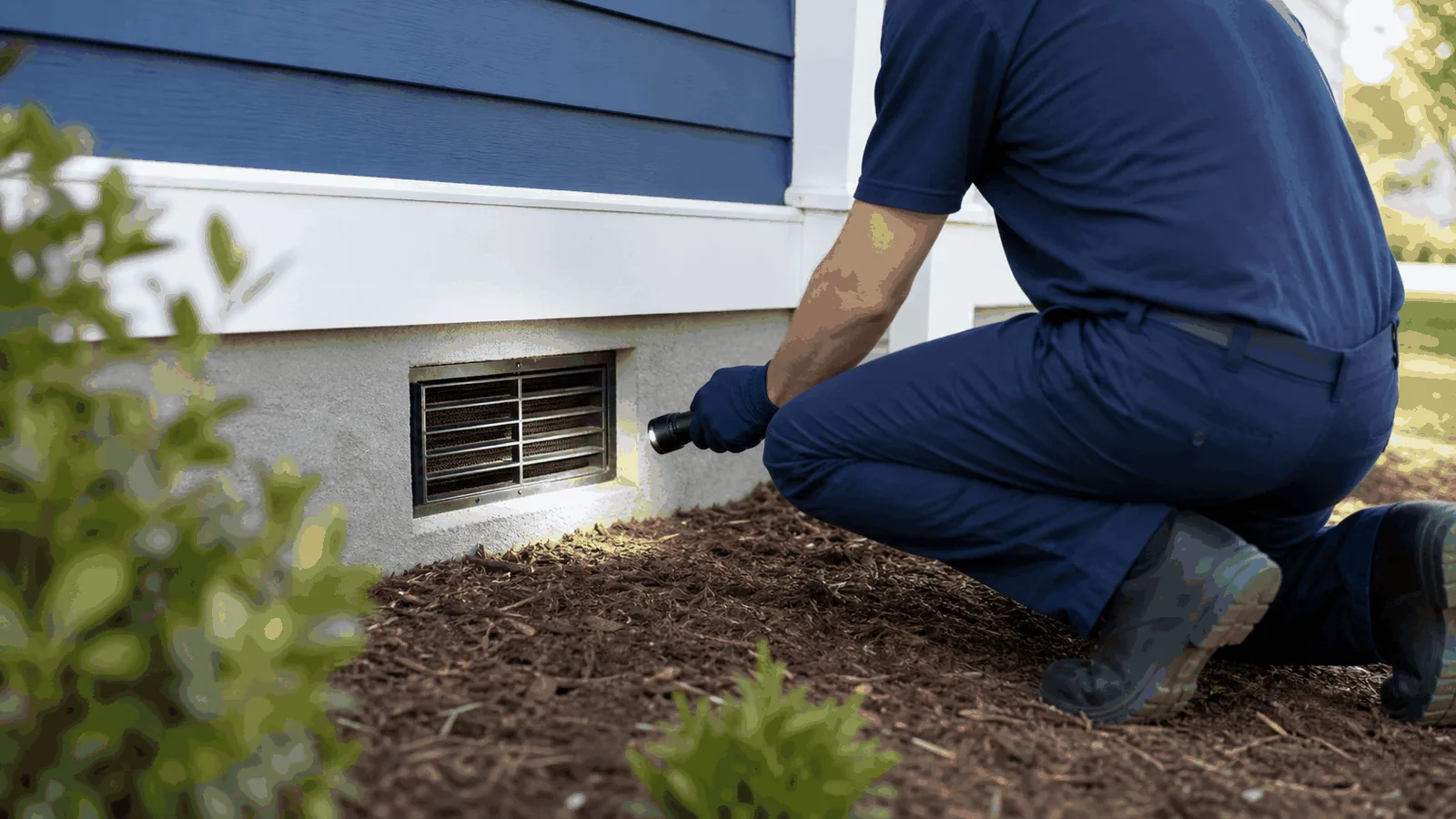
What Happens on the Visit
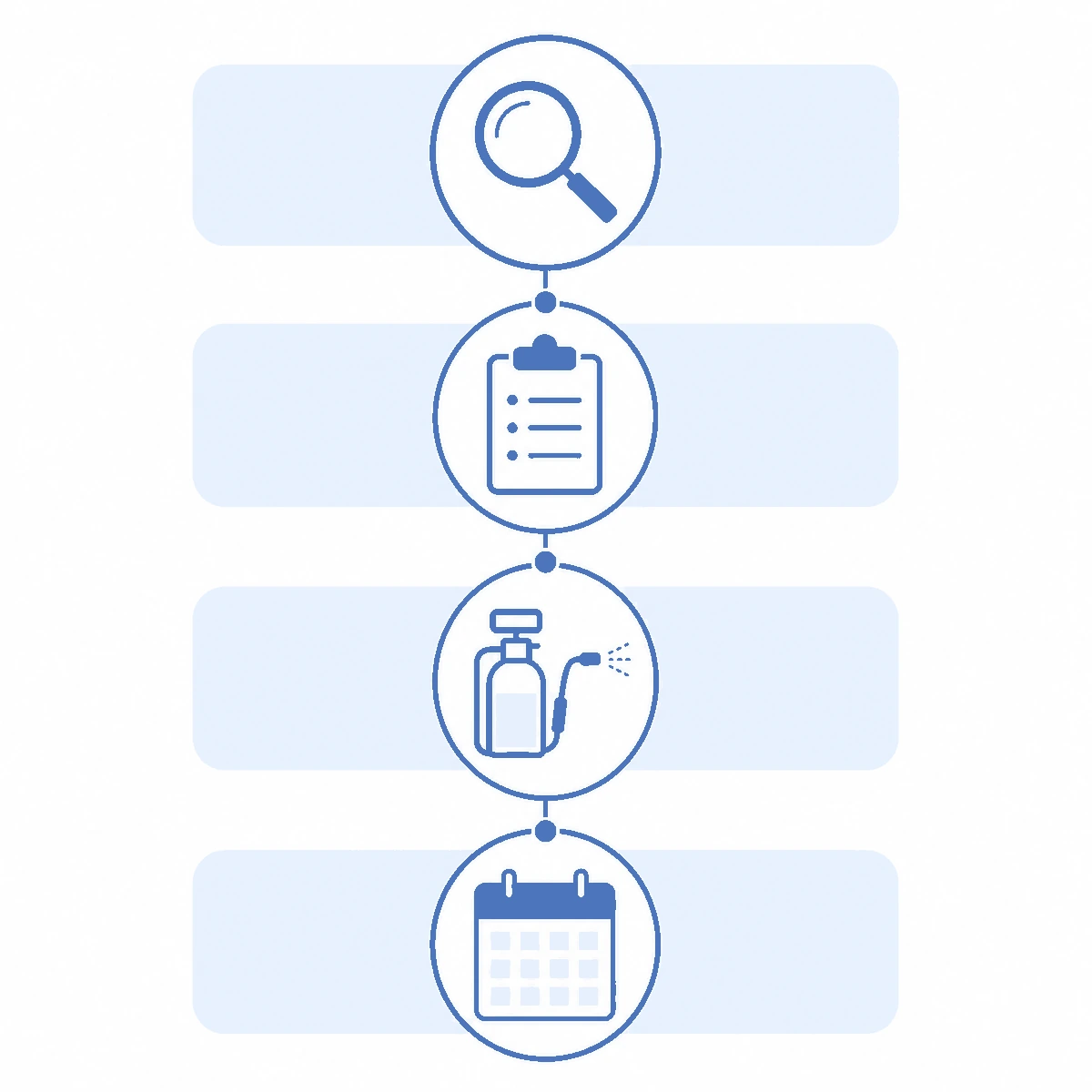
Inspection
The technician walks the interior and exterior, identifies the species involved, and locates entry points and harbourage before treating anything.
Targeted treatment
Products are applied where the pest actually lives and travels — cracks, voids, and the perimeter — rather than sprayed broadly across living space.
Exclusion advice
You get a specific list of gaps, moisture issues and conducive conditions to correct so the problem does not simply return.
Follow-up
Most infestations need a second visit two to four weeks later to break the life cycle as eggs hatch.
Same-day and next-day appointments are common in Savannah; urgent issues such as an active nest or a rodent in living space are usually prioritised.
How It Works in Savannah
Getting help through Eco First Pest Control is straightforward — one call, and a local professional takes it from there.

Call and describe the problem
Call +1 855 774 7802 and tell us what you're seeing, where, and for how long. It takes a couple of minutes.
Get matched with a local pro
We connect you with a licensed exterminator who covers your neighborhood and handles your specific pest.
Inspection and quote
The technician inspects the property, identifies the species and source, and gives you a clear treatment plan and price before any work starts.
Targeted treatment
Treatment uses products and methods matched to the pest and your household — including kid- and pet-conscious options where appropriate.
Prevention and follow-up
You get practical prevention steps, and many providers include follow-up visits or guarantees to make sure the problem stays solved.
Residential Pest Control Services FAQs for Savannah, GA
Is professional treatment safe for kids and pets?
Licensed technicians use EPA-registered products applied at label rates, placed where pests travel and children and pets don't reach. Tell your technician about pets (especially fish and birds) and they'll adjust products and re-entry timing accordingly.
How fast can someone come out?
Same-day or next-day appointments are commonly available in Savannah, GA, especially for urgent problems like wasp nests or rodent sightings. Call +1 855 774 7802 and we'll connect you with a provider who can move quickly.
One-time treatment or a recurring plan — which do I need?
A one-time service fits a single identified problem like a wasp nest. Recurring quarterly service fits ongoing pressure — ants every summer, mice every fall — and usually includes free re-treatments between visits if pests return.
What should I do before the technician arrives?
Note where you've seen activity, keep pets contained, and clear access to problem areas like under sinks or along the garage walls. Skip DIY sprays in the meantime — repellent products can scatter pests and make professional baiting less effective.
Do I really need year-round pest control in the South?
In most southern states, yes. Winters are rarely cold enough to knock down pest populations, so quarterly treatments are the most common and effective schedule. A local technician can recommend the right frequency after an inspection.
How much does residential pest control services cost in Savannah?
Most Savannah homeowners pay roughly $175–$400 for an initial treatment. Larger metro markets sit at the higher end of this range, though competition between providers keeps quotes closer together than you might expect. Call +1 855 774 7802 for a quote on your specific property.
Do I need one-time or recurring service in Savannah?
With Savannah staying frost-free for most of the year, pest pressure here barely pauses, and recurring quarterly service generally outperforms one-off treatment. A single visit still makes sense for a specific problem such as a wasp nest.
When is residential pest control services most needed in Savannah?
Effectively year-round, peaking April through October. Pest pressure in Savannah follows the local season, building through the warm months and easing as temperatures drop.
How quickly can someone come out in Savannah?
Same-day and next-day appointments are common in Savannah; urgent issues such as an active nest or a rodent in living space are usually prioritised.
Does winter in Savannah kill off pests?
No. With a January low averaging 40°F, Savannah never gets cold enough for a meaningful winter die-off, so pests stay active year-round here. That is the main reason continuous prevention outperforms seasonal treatment in this market.
What time of year should I book residential pest control services in Savannah?
Savannah is frost-free for roughly 12 months of the year, so there is no true off-season and treatment can begin whenever the problem appears. Booking before the spring build-up gives the best result and the widest choice of appointment times.
Are older homes in Savannah at greater risk?
Yes, and it is relevant here: 38% of Savannah's housing was built before 1960. Homes of that age typically have crawl spaces, settled foundations and decades of utility penetrations cut through walls — all of which create the gaps and access points pests exploit. Properties built before roughly 1970 also predate widespread soil pre-treatment for termites.
I live in an apartment in Savannah — does that change anything?
Considerably. Only 55% of Savannah's housing is single-family detached, so a large share is multi-unit. Roaches and bed bugs travel between units through wall voids, shared plumbing and electrical runs, which means treating one unit in isolation frequently fails. If neighbouring units are affected, a coordinated treatment is what actually resolves it — worth raising with your building manager.
Does Savannah's rainfall affect pests?
Yes. Savannah receives about 48.1 inches of precipitation a year, which keeps soil and shaded areas damp for much of the season. That sustains pests populations and, for termites in particular, raises the risk of the moisture damage that attracts them in the first place. Drainage and gutter maintenance do real work here.
Which pests are most common around Savannah?
Red imported fire ant, German cockroach. Established across the Southeast; aggressive when mounds are disturbed and best managed with a bait-based programme. Identifying the species correctly matters because it determines the treatment — an approach that works on one is often useless against another.
Get Residential Pest Control Services in Savannah Today
Pests don't fix themselves — colonies grow, rodents multiply, and small problems turn into expensive ones. One call connects you with a trusted exterminator in Savannah, GA who can usually inspect within days.
Connect with a trusted pest control expert near Savannah