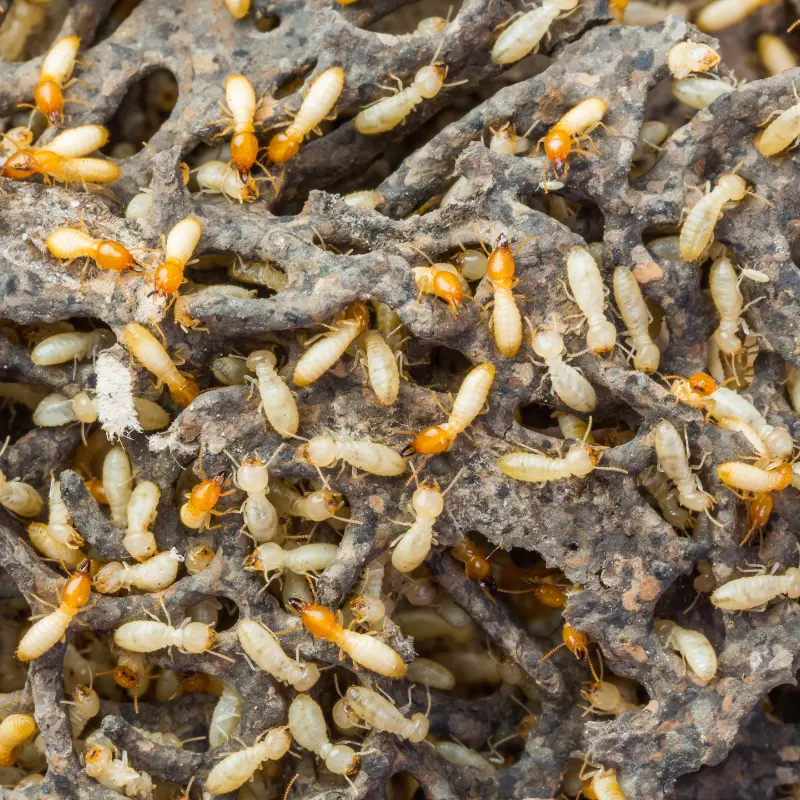
Termite Control in Gaithersburg, MD
Whether you've spotted swarmers, found mud tubes, or just want certainty before buying or selling a home, we connect you with termite specialists throughout Gaithersburg and surrounding communities who inspect, treat, and warranty their work.
Treatment depends on the species and the structure: liquid soil treatments create a protective barrier, bait systems eliminate colonies over time, and localized or fumigation treatments handle drywood termites where they occur.
Why Gaithersburg Homes Deal With Termite Control
Maryland has cold winters, humid summers, and dense, older housing stock. Eastern subterranean termites are common, particularly in older neighborhoods with mature trees and original foundations. Finished basements often hide activity until damage is significant.
Swarms emerge March through June. Providers serving Gaithersburg know the local housing stock and pest seasons, and typically cover Montgomery County as a whole.
Warning Signs of Termite Activity
Mud tubes
Pencil-width earthen tunnels on foundations, piers, or crawlspace walls are the classic sign of subterranean termites moving between soil and wood.
Swarmers and shed wings
Winged termites indoors — or piles of identical shed wings on sills — usually mean a mature colony in or under the structure.
Hollow or blistered wood
Wood that sounds papery when tapped, or paint that bubbles like water damage, can indicate galleries just beneath the surface.
Frass (drywood termites)
Tiny, ridged pellets accumulating below kick-out holes indicate drywood termites feeding inside the wood itself.
Sticking doors and sagging floors
Termite damage and the moisture that accompanies it warp frames and weaken subfloors over time.
Reducing Termite Risk Around Your Property
Keep wood off soil
Maintain at least 6 inches between siding and grade, and never stack firewood against the house.
Fix moisture problems
Repair leaks, direct downspouts away from the foundation, and keep crawlspaces ventilated — termites follow moisture.
Remove dead wood
Old stumps, buried construction debris, and rotting landscape timbers feed and stage colonies near the home.
Mind the mulch
Keep mulch a few inches below siding level and pulled back from the foundation line.
Schedule annual inspections
A professional inspection once a year catches activity before structural damage develops — essential in high-pressure regions.
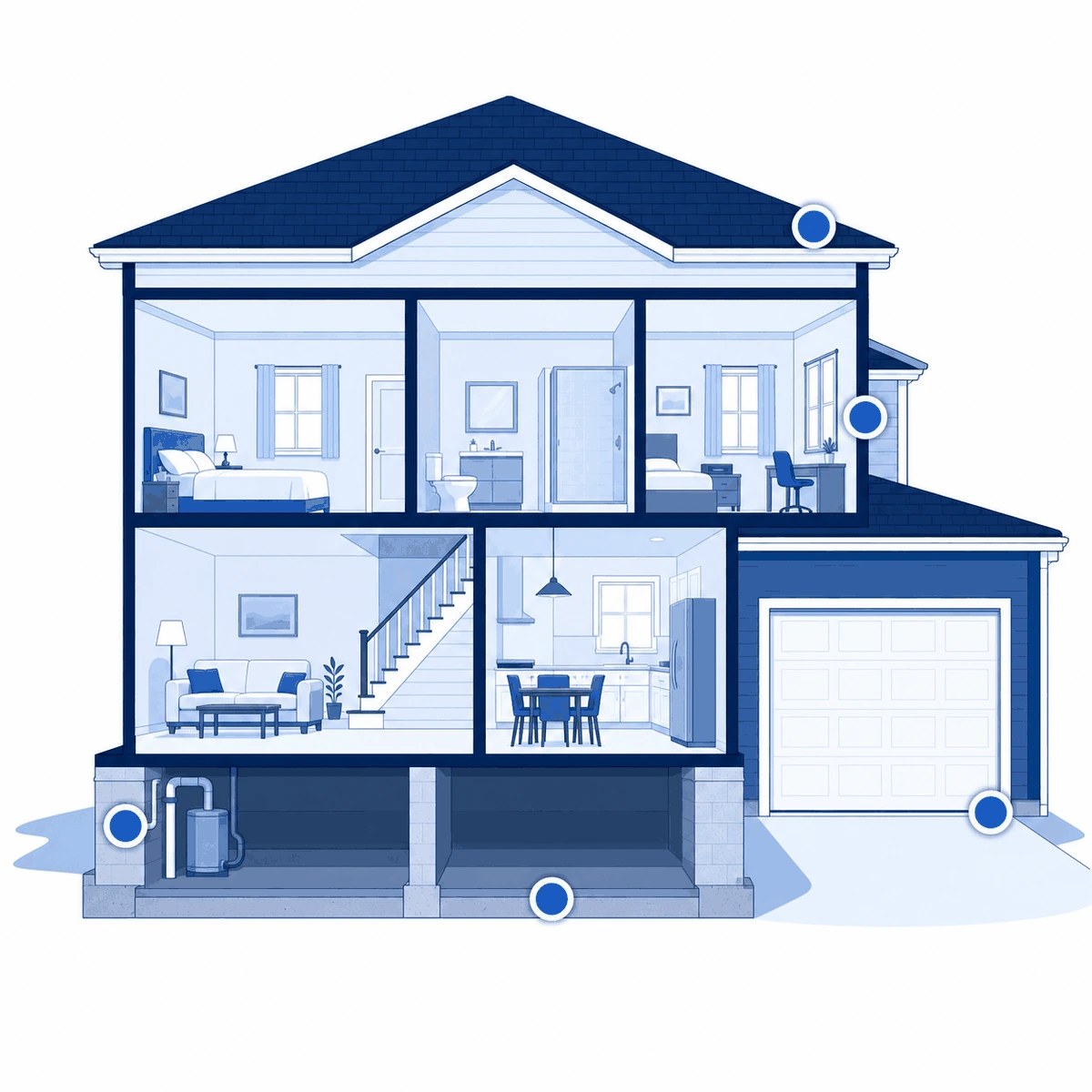
Termite Control Timing in Gaithersburg
Active season
roughly 9 months of the year
Peak pressure
spring
Colonies near Gaithersburg slow in winter but do not die off — feeding resumes as soil warms, which is why an inactive-looking winter is not evidence the problem is gone.
What Termite Control Costs in Gaithersburg
$500–$2,500
for a full treatment
Mid-sized markets typically land in the middle of this range, with pricing driven mainly by property size and severity.
Ranges are typical market estimates, not quotes — final pricing depends on property size, severity and access.
Termite Control Cost by Treatment Method in Gaithersburg
| Treatment | Typical cost | Notes |
|---|---|---|
| Liquid soil barrier (whole structure) | $1,200–$3,500 | Trenching termiticide around the foundation. The most common subterranean treatment; typically quoted per linear foot. |
| Liquid barrier, per linear foot | $4–$16per linear ft | Useful for sanity-checking a whole-house quote against your foundation perimeter. |
| Bait station system (installation) | $800–$3,000 | Stations installed around the perimeter and monitored. Slower than liquid but less invasive. |
| Bait system annual monitoring | $250–$500per year | Ongoing after installation. Ask whether year one is included. |
| Fumigation / tenting (drywood) | $1,500–$4,500 | Whole-structure tenting. Required for drywood termites, useless against subterranean. |
| Spot / localised treatment | $250–$900 | Only appropriate for a confirmed, contained drywood colony — not for subterranean. |
| Termite inspection | $75–$200 | Frequently free when bundled with treatment. A real-estate WDI letter usually costs more. |
| Real-estate WDI / WDO report | $100–$300 | The written report required by many lenders at closing. |
Cost by Property Size in Gaithersburg
| Property size | Typical range |
|---|---|
| Under 1,000 sq ft | $960–$2,800 |
| 1,000 – 2,000 sq ft | $1,200–$3,500 |
| 2,000 – 3,000 sq ft | $1,440–$4,200 |
| 3,000 – 4,000 sq ft | $1,620–$4,725 |
| Over 4,000 sq ft | $1,860–$5,425 |
Typical market ranges for Gaithersburg, not quotes. Access, construction type and severity all move the final figure.
What a Fair Termite Control Quote Looks Like
Pricing in this trade varies widely for the same job, and most of that variation is not the treatment — it is what gets bundled, warrantied or upsold around it. Here is what a straightforward quote in Gaithersburg should contain, and what should give you pause.
A quote should include
- A written inspection finding — what was found, where, and which species
- The specific treatment proposed and why it suits that species
- What is and is not covered, in writing
- Follow-up visits: how many, when, and whether they are included in the price
- Preparation instructions before the visit
- The technician’s licence number and proof of insurance
- Any guarantee period, and precisely what triggers a free re-treatment
What should give you pause
A quote without an inspection
Termite pricing depends on foundation type, linear footage and species. A figure given over the phone before anyone has looked is a starting anchor, not a quote.
Spot treatment sold for subterranean termites
Spot treatment is only appropriate for a confirmed, contained drywood colony. Sold against subterranean termites it leaves the colony intact.
Repair work bundled into the treatment
Carpentry marked up inside a treatment quote is a common way to inflate a bill. Ask for it itemised, and get a separate quote from a contractor.
A warranty that excludes re-treatment
A termite bond should cover re-treatment if activity returns. Some cover inspection only — read what is actually promised.
Pressure to sign the same day
Termite damage accrues over years, not days. Any "today only" discount on a five-figure job deserves scepticism.
If a quote is materially above the ranges above, that is not automatically wrong — access, construction and severity genuinely move the figure. But it does mean the provider should be able to explain exactly what accounts for the difference.
Termite Control Cost Calculator for Gaithersburg, MD
Estimate what termite control is likely to cost on your property. The starting range reflects local Gaithersburg market rates; property size and how far the problem has progressed adjust it from there.
Estimated cost in Gaithersburg
$500 – $2500
for a full treatment
Most providers quote after an inspection, since access and extent change the figure more than property size alone.
Get an exact quote: +1 855 774 7802Estimates only, not a quote. Figures are based on typical Gaithersburg market rates and adjust for property size and severity. Access, construction type and the specific pest all affect final pricing, which is why providers quote after inspection.
Termite Activity Calendar for Gaithersburg
Activity levels below are derived from Gaithersburg's measured monthly temperature normals. Insect development effectively stops below about 50°F and accelerates above 75°F, so the local temperature curve sets the calendar.
| Month | Avg temp | Activity |
|---|---|---|
| January | 34°F | Dormant |
| February | 37°F | Dormant |
| March | 45°F | Low |
| April | 55°F | Moderate |
| May | 64°F | Moderate |
| June | 73°F | High |
| July | 78°F | Peak |
| August | 76°F | Peak |
| September | 69°F | High |
| October | 57°F | Moderate |
| November | 47°F | Low |
| December | 38°F | Dormant |
Gaithersburg has a short quiet period of 3 months, with pressure peaking in July through August. Booking by May gets ahead of the seasonal build-up.
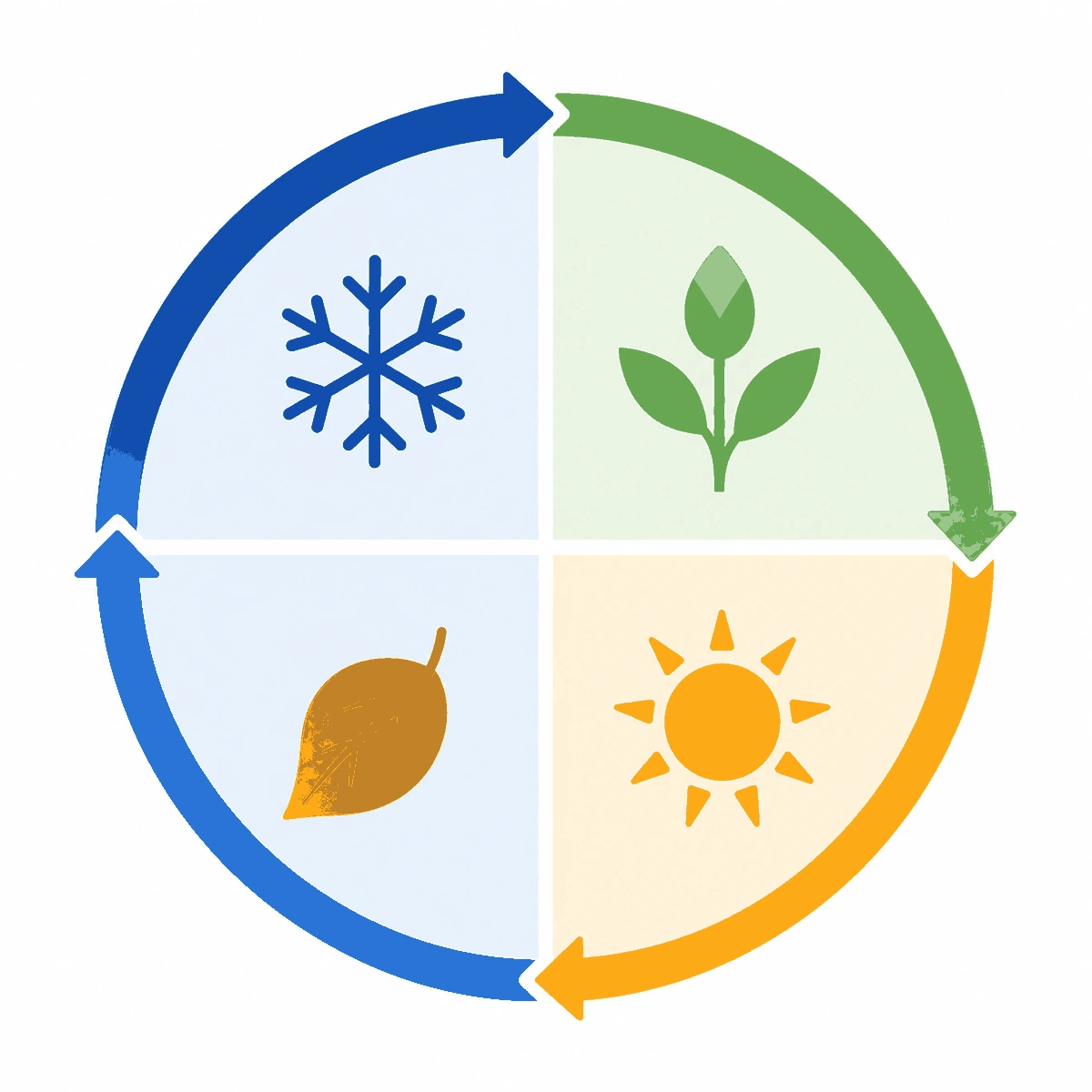
Monthly temperature normals: NOAA 1991–2020.
Gaithersburg Climate and Pest Activity
Average July high
88°F
Average January low
25°F
Months above 80°F
3 of 12
Frost-free months
9 of 12
Annual precipitation
43.2"
Gaithersburg runs an average July high of 88°F and a January low near 25°F, with 3 months of the year averaging above 80°F.
Subterranean termite foraging follows soil temperature, which lags air temperature by a few weeks. A January low near 25°F means colonies around Gaithersburg move deeper and slow markedly in winter, then resume as the ground thaws — damage is seasonal but cumulative across years. At 43.2 inches of rain a year, soil moisture is moderate, with foraging pressure rising in the wetter months.
Figures are 1991–2020 climate normals from the NOAA station at Washington Dulles Intl Ap, 19 miles away.
Gaithersburg Housing and Pest Risk
Housing units
27,386
Built before 1960
5%
Single-family detached
20%
Owner-occupied
51%
Built since 2010
14%
Gaithersburg has about 27,386 housing units, 5% of them built before 1960 and 20% single-family detached.
A mixed-age housing stock means risk varies street to street here. Older properties with crawl spaces need closer inspection than newer slab-on-grade construction, which is why a proper inspection matters more than a generic quote.
Median home value locally is around $484,500, which is worth weighing against treatment cost — particularly for termite work, where an untreated colony can cause damage running to many thousands of dollars and is excluded from virtually every homeowner policy.
Housing figures: US Census Bureau, American Community Survey 5-year estimates (2023).
Pest Species Common Around Gaithersburg
Termite species vary by region, and the species involved changes the correct treatment — a soil barrier that works on subterranean termites does nothing for drywood.
Eastern subterranean termite
The primary structural termite in the Northeast. Cold winters slow but do not stop colonies — activity resumes as soil warms in spring.
Local Conditions in Gaithersburg, MD
Gaithersburg's population of roughly 69,016 supports several established providers, so scheduling is usually possible within a few days outside peak season.
At 39.1° latitude, Gaithersburg sits far enough north that the treatment calendar here runs noticeably shorter than the national average — worth knowing when planning a service schedule.
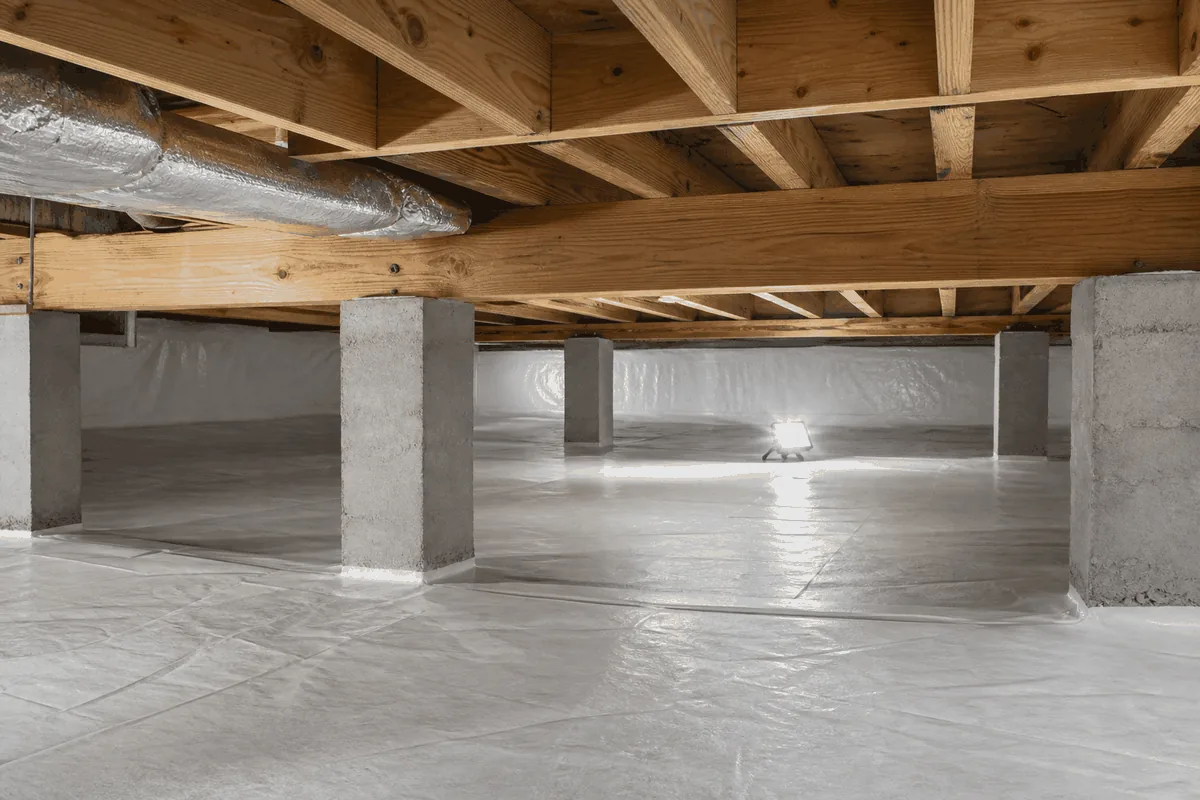
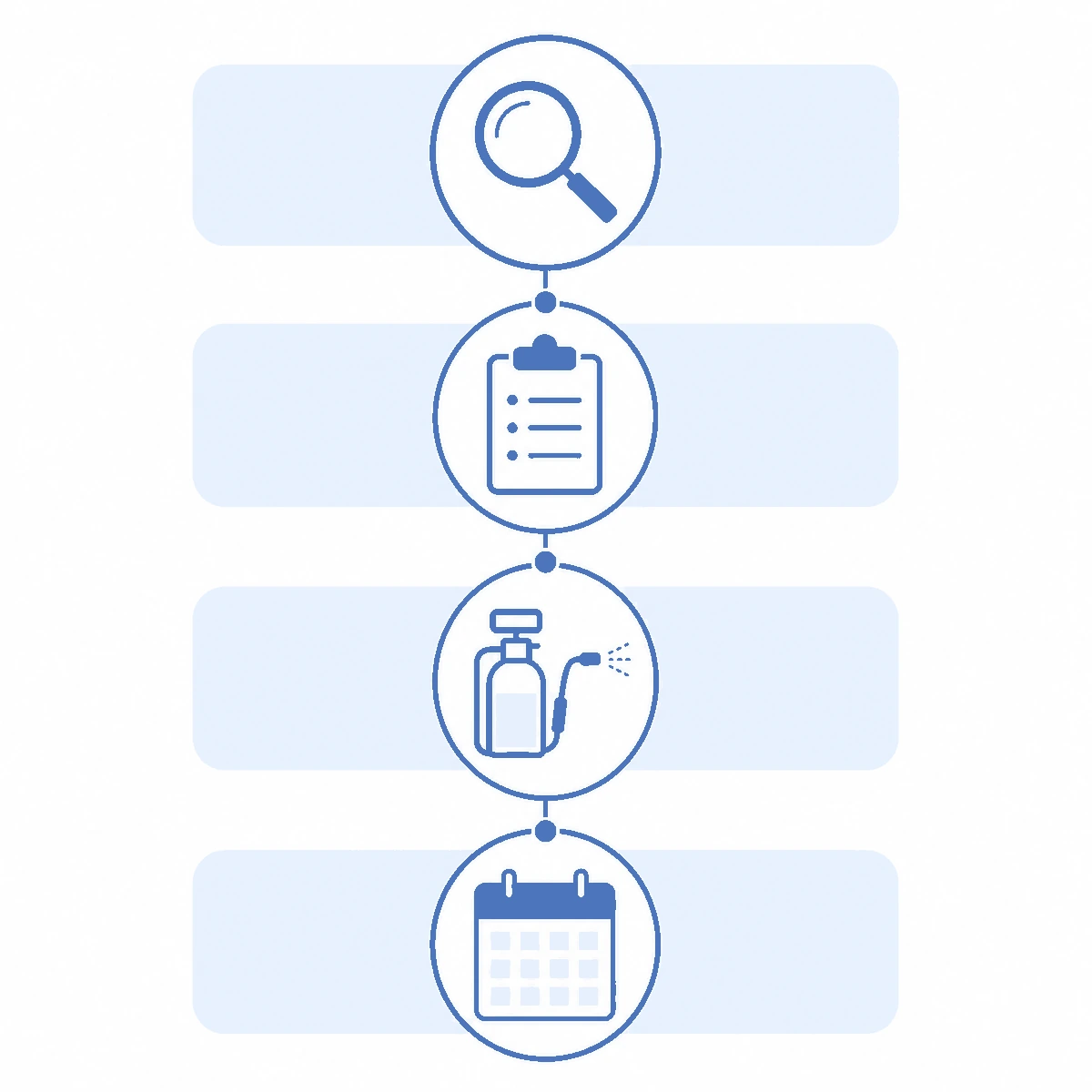
What Happens on the Visit
Full structural inspection
Foundation, crawl space, sill plates and any wood-to-soil contact are checked for mud tubes, damaged timber and live workers.
Identification and extent
The species and the scale of the colony determine whether a liquid barrier, bait system, or both are appropriate.
Treatment
Liquid termiticide is trenched around the foundation, or bait stations are installed and monitored, depending on soil and construction type.
Warranty and monitoring
Reputable providers include an annual re-inspection; keep the paperwork, as it matters at resale.
Availability around Gaithersburg is generally good outside the peak weeks of the season; calling before the seasonal rush gets you a wider choice of appointment times.
How It Works in Gaithersburg
Getting help through Eco First Pest Control is straightforward — one call, and a local professional takes it from there.

Call and describe the problem
Call +1 855 774 7802 and tell us what you're seeing, where, and for how long. It takes a couple of minutes.
Get matched with a local pro
We connect you with a licensed exterminator who covers your neighborhood and handles your specific pest.
Comprehensive termite inspection
The specialist examines foundation lines, crawlspaces or slabs, attics, and moisture-prone areas, identifying species and mapping activity.
Treatment recommendation
You'll get a written plan — liquid barrier, bait system, localized treatment, or fumigation where appropriate — with pricing and warranty terms spelled out.
Treatment and ongoing protection
After treatment, most providers offer renewable warranties and monitoring so your home stays protected year after year.
Termite Control FAQs for Gaithersburg, MD
Liquid treatment or bait stations — which is better?
Liquid (non-repellent) soil treatments give fast, long-lasting protection; bait systems eliminate the colony itself and suit structures where trenching is impractical. The right choice depends on construction, species, and infestation status — your inspector will explain the trade-off for your home.
How long does termite treatment last?
Modern liquid treatments typically protect for 5–10 years; bait systems protect as long as they're maintained. Most companies offer renewable annual warranties with re-treatment included if termites return.
Do I need a termite inspection when buying a home?
Strongly recommended (and often lender-required as a WDI/WDO report). It's a small cost for certainty about the largest purchase most people make.
Can I treat termites myself?
DIY spot sprays kill visible termites but leave the colony intact — and professional-grade termiticides, application equipment, and warranty protection aren't available over the counter. Termites are one pest where professional treatment clearly pays for itself.
How do I know if it is termites or carpenter ants?
Termite swarmers have straight antennae, equal-length wings, and a thick waist; carpenter ants have elbowed antennae and pinched waists. Mud tubes mean termites; coarse sawdust kick-out usually means carpenter ants. A pro can confirm either way.
How much does termite control cost in Gaithersburg?
Most Gaithersburg homeowners pay roughly $500–$2500 for a full treatment. Mid-sized markets typically land in the middle of this range, with pricing driven mainly by property size and severity. Call +1 855 774 7802 for a quote on your specific property.
Do I need one-time or recurring service in Gaithersburg?
Gaithersburg's winters give a genuine break in pest pressure, so many households here do well with treatment timed to the start of the season plus a follow-up, rather than a year-round plan. Ongoing problems such as recurring ants or autumn rodent entry are the exception.
When is termite control most needed in Gaithersburg?
Roughly 9 months of the year, peaking spring. Colonies near Gaithersburg slow in winter but do not die off — feeding resumes as soil warms, which is why an inactive-looking winter is not evidence the problem is gone.
How quickly can someone come out in Gaithersburg?
Availability around Gaithersburg is generally good outside the peak weeks of the season; calling before the seasonal rush gets you a wider choice of appointment times.
Does winter in Gaithersburg kill off termites?
Only partially. Gaithersburg's January low averages 25°F, which suppresses outdoor activity without eliminating populations. Survivors overwinter in wall voids, crawl spaces and insulation, then re-emerge as temperatures climb in spring.
What time of year should I book termite control in Gaithersburg?
Gaithersburg has about 9 frost-free months, so the effective window runs from spring through autumn. Treating early in that window — before populations build to their summer peak — takes noticeably less work than treating at peak.
Are older homes in Gaithersburg at greater risk?
Less so than in many markets — only 5% of Gaithersburg's housing was built before 1960. Newer construction seals more easily, so treatment here usually focuses on the perimeter and landscaping conditions rather than extensive structural sealing.
Does Gaithersburg's rainfall affect termites?
Moderately. Gaithersburg averages around 43.2 inches of precipitation annually, so termites pressure tends to rise in the wetter months and ease in the drier ones. Treatment timed to the start of the wet season generally gets more out of each visit.
Which termites are most common around Gaithersburg?
Eastern subterranean termite. The primary structural termite in the Northeast. Cold winters slow but do not stop colonies — activity resumes as soil warms in spring. Identifying the species correctly matters because it determines the treatment — an approach that works on one is often useless against another.
Get Termite Control in Gaithersburg Today
Every month an active colony feeds, repair costs grow. Get a professional termite inspection in Gaithersburg, MD and know exactly where your home stands.
Connect with a trusted pest control expert near Gaithersburg