
Rodent Control in Birmingham, MI
Scratching in the walls at night? Droppings in the garage? Homes across Oakland County deal with seasonal rodent intrusion, and trapping alone rarely ends it. We match you with local pros in Birmingham and nearby areas who pair removal with real exclusion work.
Effective rodent control is a system: confirm the species and entry routes, remove the current population with traps or secured bait, then seal the openings and fix the attractants so the next generation can't move in.
Why Birmingham Homes Deal With Rodent Control
Michigan has a continental climate with four distinct pest seasons. Every fall brings a predictable migration of field mice and rats into structures as crops come down and temperatures drop. Norway rats are persistent in older urban sewers and alleys.
October through January drives most calls. Even smaller communities like Birmingham see steady pest pressure, and the local pros we work with cover Oakland County and the surrounding area.
Signs You Have a Rodent Problem
Droppings
Rice-sized droppings (mice) or larger capsule-shaped droppings (rats) along walls, in drawers, under sinks, or in the attic.
Night sounds
Scratching, scurrying, or gnawing in walls and ceilings after dark — rodents are most active when the house goes quiet.
Gnaw marks
Fresh, pale tooth marks on wiring, food packaging, or structural wood. Chewed wiring is a genuine fire hazard.
Grease rub marks
Dark smudges along baseboards and entry holes where oily fur repeatedly brushes the same route.
Nests and odor
Shredded paper or insulation in hidden corners, and a persistent ammonia-like smell in enclosed spaces.
Keeping Rodents Out for Good
Seal gaps ¼ inch and up
Steel wool plus sealant, hardware cloth on vents, and quality door sweeps close the routes rodents actually use.
Manage food sources
Sealed containers, secured trash, cleaned-up pet food, and harvested fruit remove the reward.
Cut back vegetation
Branches over the roof and ivy on walls are rodent ladders — trim them away from the structure.
Declutter storage
Stored cardboard and fabric make perfect nesting material; plastic bins on shelves deny it.
Monitor after clearing
Tamper-resistant exterior stations catch new arrivals before they find a way inside.
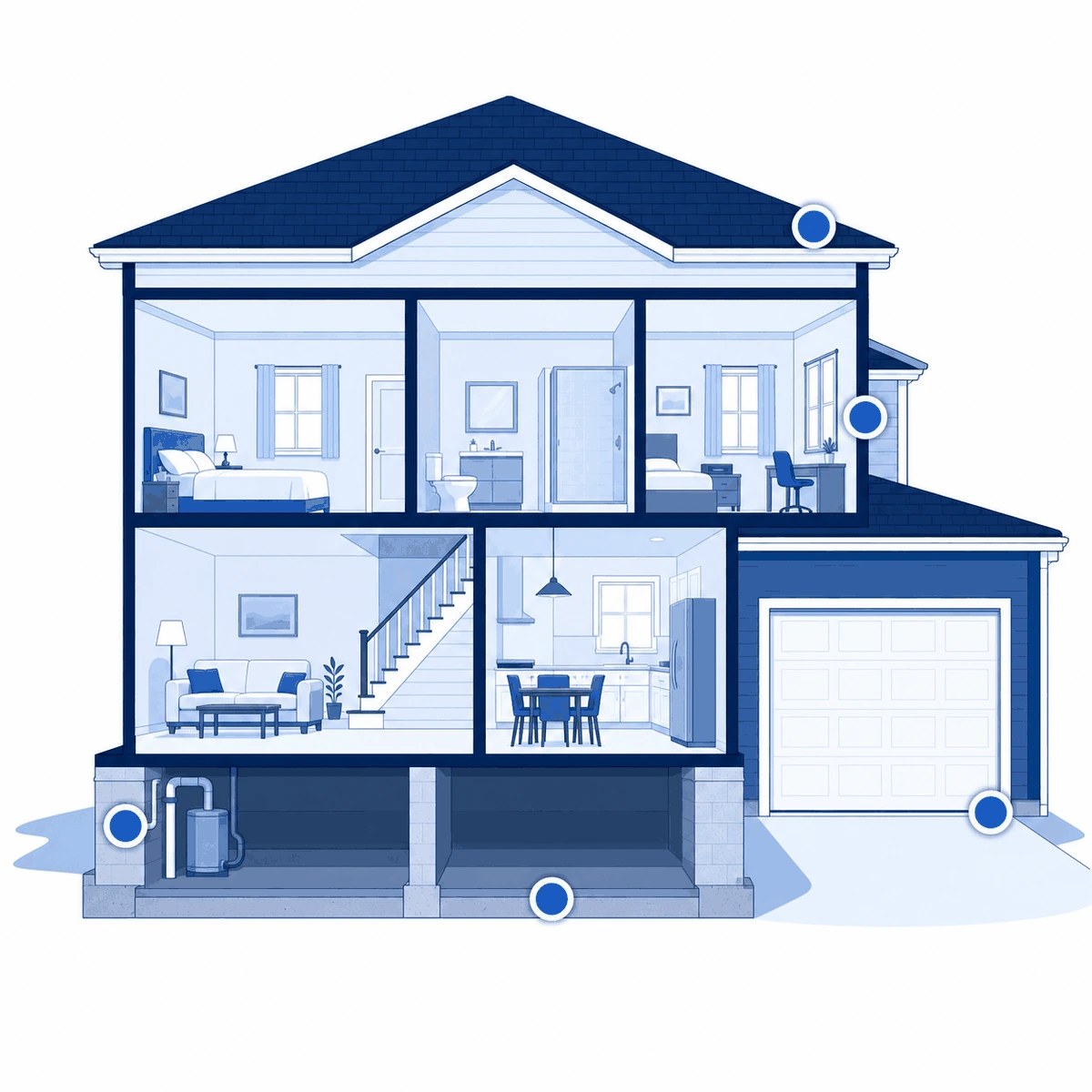
Rodent Control Timing in Birmingham
Active season
roughly 7 months of the year
Peak pressure
September through November
As overnight temperatures fall, rodents around Birmingham move indoors through gaps at the foundation, roofline and utility penetrations — which is why most calls cluster in the weeks after the first cold snap.
What Rodent Control Costs in Birmingham
$190–$570
for removal and exclusion work
Smaller communities often see slightly lower labour rates, though travel time can offset that if the provider is coming from a larger town nearby.
Ranges are typical market estimates, not quotes — final pricing depends on property size, severity and access.
Rodent Control Cost by Treatment Method in Birmingham
| Treatment | Typical cost | Notes |
|---|---|---|
| Inspection | Free–$145 | Often free. A paid inspection should include a written entry-point survey. |
| Trapping programme | $190–$570 | Usually two to four visits until activity stops. |
| Exclusion / sealing | $285–$1,900 | The step that decides whether they return. Priced by the number and difficulty of entry points. |
| Attic or crawl space clean-out | $760–$3,325 | Removal of contaminated insulation and droppings, then disinfection. |
| Insulation replacement | $1,425–$5,700 | Only needed where contamination is extensive. |
| Dead animal removal | $95–$285 | Common after poison is used inside walls — one reason professionals avoid rodenticide indoors. |
| Ongoing quarterly service | $45–$85per month | Monitoring after the initial problem is resolved. |
Cost by Property Size in Birmingham
| Property size | Typical range |
|---|---|
| Under 1,000 sq ft | $0–$115 |
| 1,000 – 2,000 sq ft | $0–$145 |
| 2,000 – 3,000 sq ft | $0–$175 |
| 3,000 – 4,000 sq ft | $0–$195 |
| Over 4,000 sq ft | $0–$225 |
Typical market ranges for Birmingham, not quotes. Access, construction type and severity all move the final figure.
What a Fair Rodent Control Quote Looks Like
Pricing in this trade varies widely for the same job, and most of that variation is not the treatment — it is what gets bundled, warrantied or upsold around it. Here is what a straightforward quote in Birmingham should contain, and what should give you pause.
A quote should include
- A written inspection finding — what was found, where, and which species
- The specific treatment proposed and why it suits that species
- What is and is not covered, in writing
- Follow-up visits: how many, when, and whether they are included in the price
- Preparation instructions before the visit
- The technician’s licence number and proof of insurance
- Any guarantee period, and precisely what triggers a free re-treatment
What should give you pause
A price quoted before inspection
Property size, access and severity all move the figure. A phone quote is an anchor, not a commitment.
Annual contracts with no cancellation terms
Read the cancellation clause before signing. Auto-renewal with a penalty is common and easy to miss.
Vague "we use safe products"
Ask which EPA-registered product, applied where, and what the re-entry interval is. A professional will answer without hesitating.
No follow-up included
Most infestations need a second visit to break the life cycle. If follow-up is charged separately, factor it into the comparison.
No licence or insurance offered
Every state licenses pest control operators. A provider who will not show a licence number is not one to use.
If a quote is materially above the ranges above, that is not automatically wrong — access, construction and severity genuinely move the figure. But it does mean the provider should be able to explain exactly what accounts for the difference.
Rodent Control Cost Calculator for Birmingham, MI
Estimate what rodent control is likely to cost on your property. The starting range reflects local Birmingham market rates; property size and how far the problem has progressed adjust it from there.
Estimated cost in Birmingham
$190 – $570
for removal and exclusion work
Most providers quote after an inspection, since access and extent change the figure more than property size alone.
Get an exact quote: +1 855 774 7802Estimates only, not a quote. Figures are based on typical Birmingham market rates and adjust for property size and severity. Access, construction type and the specific pest all affect final pricing, which is why providers quote after inspection.
Rodent Activity Calendar for Birmingham
Activity levels below are derived from Birmingham's measured monthly temperature normals. Insect development effectively stops below about 50°F and accelerates above 75°F, so the local temperature curve sets the calendar.
| Month | Avg temp | Activity |
|---|---|---|
| January | 24°F | Peak |
| February | 26°F | Peak |
| March | 35°F | Peak |
| April | 47°F | Peak |
| May | 59°F | High |
| June | 68°F | Moderate |
| July | 72°F | Low |
| August | 71°F | Moderate |
| September | 63°F | Moderate |
| October | 51°F | High |
| November | 39°F | Peak |
| December | 29°F | Peak |
Rodent pressure in Birmingham runs opposite to insect pressure — it climbs as temperatures fall. The heaviest indoor pressure lands in Jan, Feb, Mar, Apr, Nov, Dec. Exclusion work matters year-round here.

Monthly temperature normals: NOAA 1991–2020.
Birmingham Climate and Pest Activity
Average July high
82°F
Average January low
17°F
Months above 80°F
2 of 12
Frost-free months
7 of 12
Annual precipitation
29.2"
Birmingham runs an average July high of 82°F and a January low near 17°F, with 2 months of the year averaging above 80°F.
Rodent entry is driven by the first sustained cold. With January lows near 17°F, Birmingham sees a sharp, well-defined push indoors in autumn — sealing entry points before that window is far more effective than trapping afterwards. Mice need a gap of about a quarter of an inch; rats about half an inch.
Figures are 1991–2020 climate normals from the NOAA station at Pontiac Oakland Co Intl Ap, 13 miles away.
Birmingham Housing and Pest Risk
Housing units
10,322
Built before 1960
50%
Single-family detached
71%
Owner-occupied
76%
Built since 2010
7%
Birmingham has about 10,322 housing units, 50% of them built before 1960 and 71% single-family detached.
Older homes are considerably harder to seal against rodents. Settled foundations, original untight framing, and decades of utility penetrations cut through walls create the quarter-inch gaps mice need. With 50% of Birmingham's stock built before 1960, exclusion work here is typically more involved than in newer suburbs.
Median home value locally is around $712,700, which is worth weighing against treatment cost — particularly for termite work, where an untreated colony can cause damage running to many thousands of dollars and is excluded from virtually every homeowner policy.
Housing figures: US Census Bureau, American Community Survey 5-year estimates (2023).
Pest Species Common Around Birmingham
Which rodent you have determines where exclusion work is needed — roof rats enter high, Norway rats at ground level.
Norway rat
The primary rat species in the Midwest; burrows along foundations and beneath slabs and sheds.
Local Conditions in Birmingham, MI
Birmingham is a smaller community of about 21,738 residents, and most providers here cover Oakland as a single service area rather than the town alone.
Cold winters mean the practical treatment window here is shorter than in southern markets, so timing matters: work scheduled early in the season prevents populations that would otherwise peak in late summer.
At 42.5° latitude, Birmingham sits far enough north that the treatment calendar here runs noticeably shorter than the national average — worth knowing when planning a service schedule.
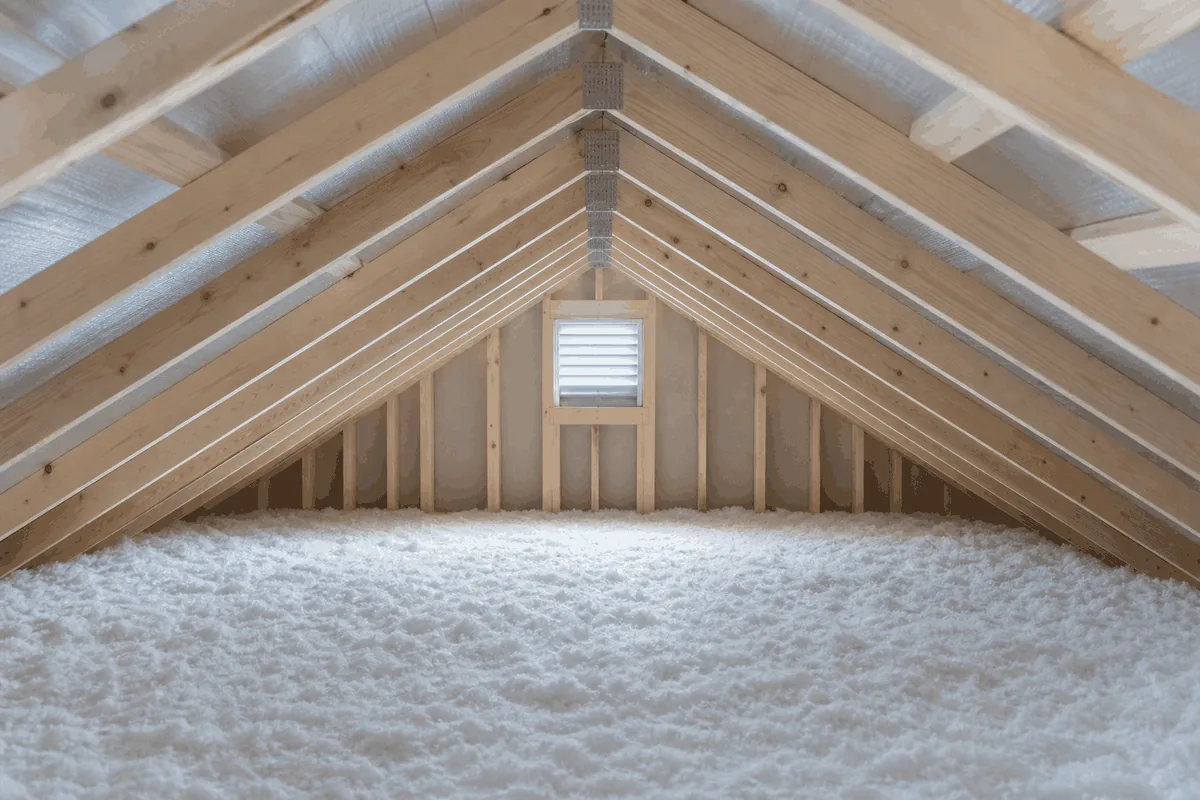
What Happens on the Visit
Entry-point survey
The technician traces runways, droppings and rub marks back to the gaps rodents are actually using to get in.
Trapping
Traps are placed along established travel routes rather than in open areas, which is what makes the difference in capture rate.
Exclusion
Gaps are sealed with steel wool, hardware cloth or sheet metal — materials rodents cannot chew through.
Sanitation and follow-up
Contaminated insulation and droppings are addressed, and traps are checked until activity stops.

Providers serving Birmingham often cover a wide rural area, so booking a day or two ahead gets a better time slot — urgent calls are still handled quickly.
How It Works in Birmingham
Getting help through Eco First Pest Control is straightforward — one call, and a local professional takes it from there.

Call and describe the problem
Call +1 855 774 7802 and tell us what you're seeing, where, and for how long. It takes a couple of minutes.
Get matched with a local pro
We connect you with a licensed exterminator who covers your neighborhood and handles your specific pest.
Inspection and quote
The technician inspects the property, identifies the species and source, and gives you a clear treatment plan and price before any work starts.
Targeted treatment
Treatment uses products and methods matched to the pest and your household — including kid- and pet-conscious options where appropriate.
Prevention and follow-up
You get practical prevention steps, and many providers include follow-up visits or guarantees to make sure the problem stays solved.
Rodent Control FAQs for Birmingham, MI
Traps or poison — which approach is right?
Indoors, trapping is generally preferred — it removes rodents without the risk of carcasses in walls. Secured exterior bait stations manage outdoor populations. A professional will design the right combination for your situation and household.
How long until the noises stop?
Most infestations are knocked down within 1–3 weeks of trapping and exclusion. Follow-up visits confirm capture trends and adjust placements until activity reaches zero.
Why do I get mice every year even after they "go away"?
Seasonal invaders return through the same unsealed gaps. Exclusion — physically sealing entry points — is the difference between an annual problem and a solved one.
Are rodents actually dangerous?
Yes — beyond contamination, rodents can carry pathogens and their gnawing on wiring is implicated in house fires. Persistent activity is worth addressing promptly.
What size gap can a mouse actually use?
A gap the width of a pencil (about 1/4 inch) admits a mouse; a quarter-sized hole admits a rat. Professional exclusion targets gaps this small around the entire foundation and roofline.
How much does rodent control cost in Birmingham?
Most Birmingham homeowners pay roughly $190–$570 for removal and exclusion work. Smaller communities often see slightly lower labour rates, though travel time can offset that if the provider is coming from a larger town nearby. Call +1 855 774 7802 for a quote on your specific property.
Do I need one-time or recurring service in Birmingham?
Birmingham's winters give a genuine break in pest pressure, so many households here do well with treatment timed to the start of the season plus a follow-up, rather than a year-round plan. Ongoing problems such as recurring ants or autumn rodent entry are the exception.
When is rodent control most needed in Birmingham?
Roughly 7 months of the year, peaking September through November. As overnight temperatures fall, rodents around Birmingham move indoors through gaps at the foundation, roofline and utility penetrations — which is why most calls cluster in the weeks after the first cold snap.
How quickly can someone come out in Birmingham?
Providers serving Birmingham often cover a wide rural area, so booking a day or two ahead gets a better time slot — urgent calls are still handled quickly.
Does winter in Birmingham kill off rodents?
Not reliably. Birmingham averages a January low of 17°F, which is cold enough to push rodents into shelter but not to eliminate them — and the shelter they choose is usually inside a heated structure. Cold winters tend to move the problem indoors rather than end it.
What time of year should I book rodent control in Birmingham?
Birmingham has about 7 frost-free months, so the effective window runs from spring through autumn. Treating early in that window — before populations build to their summer peak — takes noticeably less work than treating at peak.
Are older homes in Birmingham at greater risk?
Yes, and it is relevant here: 50% of Birmingham's housing was built before 1960. Homes of that age typically have crawl spaces, settled foundations and decades of utility penetrations cut through walls — all of which create the gaps and access points rodents exploit. Properties built before roughly 1970 also predate widespread soil pre-treatment for termites.
Which rodents are most common around Birmingham?
Norway rat. The primary rat species in the Midwest; burrows along foundations and beneath slabs and sheds. Identifying the species correctly matters because it determines the treatment — an approach that works on one is often useless against another.
Get Rodent Control in Birmingham Today
Rodent problems compound quickly — droppings, damage, and odor get worse by the week. Connect with a rodent control pro in Birmingham, MI and shut the problem down at its entry points.
Connect with a trusted pest control expert near Birmingham