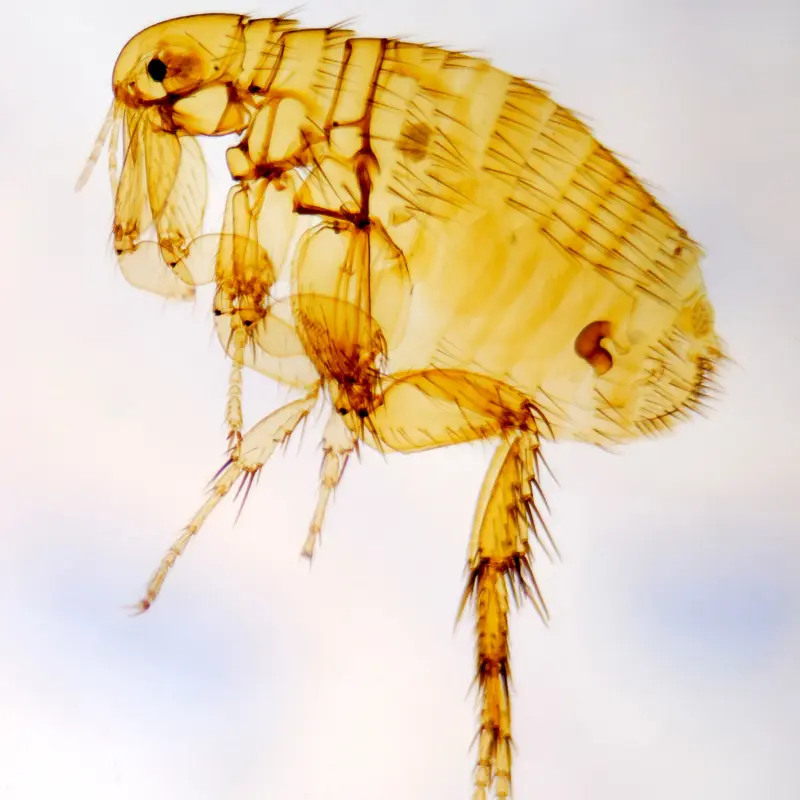
Flea and Tick Control in Eastpointe, MI
Between wildlife, pets, and shaded yards, properties in Macomb County see steady flea and tick pressure through the warm months. We match you with local pros in Eastpointe and nearby areas who treat the indoor life cycle and the outdoor source at the same time.
Lasting control means hitting every life stage: adult fleas on hosts, eggs and larvae in carpet and bedding, and ticks questing in yard vegetation — combined with pet treatment through your veterinarian.
Why Eastpointe Homes Deal With Flea and Tick Control
Michigan has a continental climate with four distinct pest seasons. Blacklegged ticks have expanded across much of the region, joining American dog ticks and seasonal flea pressure on pets.
April through October. Even smaller communities like Eastpointe see steady pest pressure, and the local pros we work with cover Macomb County and the surrounding area.
Signs of Flea or Tick Problems
Pets scratching or chewing
Sudden scratching, hair loss at the tail base, or "flea dirt" (black specks that turn red when wet) in fur.
Bites at the ankles
Itchy bites around ankles and lower legs are the classic human sign of fleas in carpets.
Ticks after yard time
Finding ticks on pets, kids, or yourself after time in the yard means questing ticks in the grass and shrub line.
Visible fleas on bedding
Adult fleas visible on pet bedding or furniture mean a substantial established population — adults are only 5% of an infestation.
Wildlife traffic
Deer, raccoons, possums, and stray cats continuously reseed yards with fleas and ticks.
Keeping Fleas and Ticks Off Your Property
Treat pets year-round
Veterinarian-recommended preventatives on every pet in the home are the foundation everything else builds on.
Keep grass short
Mow regularly and create a 3-foot mulch or gravel buffer between lawn and woods — ticks quest from tall vegetation.
Wash pet bedding hot
Weekly hot-water washes kill eggs and larvae where pets sleep.
Vacuum aggressively
Frequent vacuuming of carpets, rugs, and furniture removes eggs and stimulates pupae to hatch into treatments — empty the canister outside.
Discourage wildlife
Secure trash, remove brush piles, and fence gardens to cut the wildlife traffic that delivers new parasites.
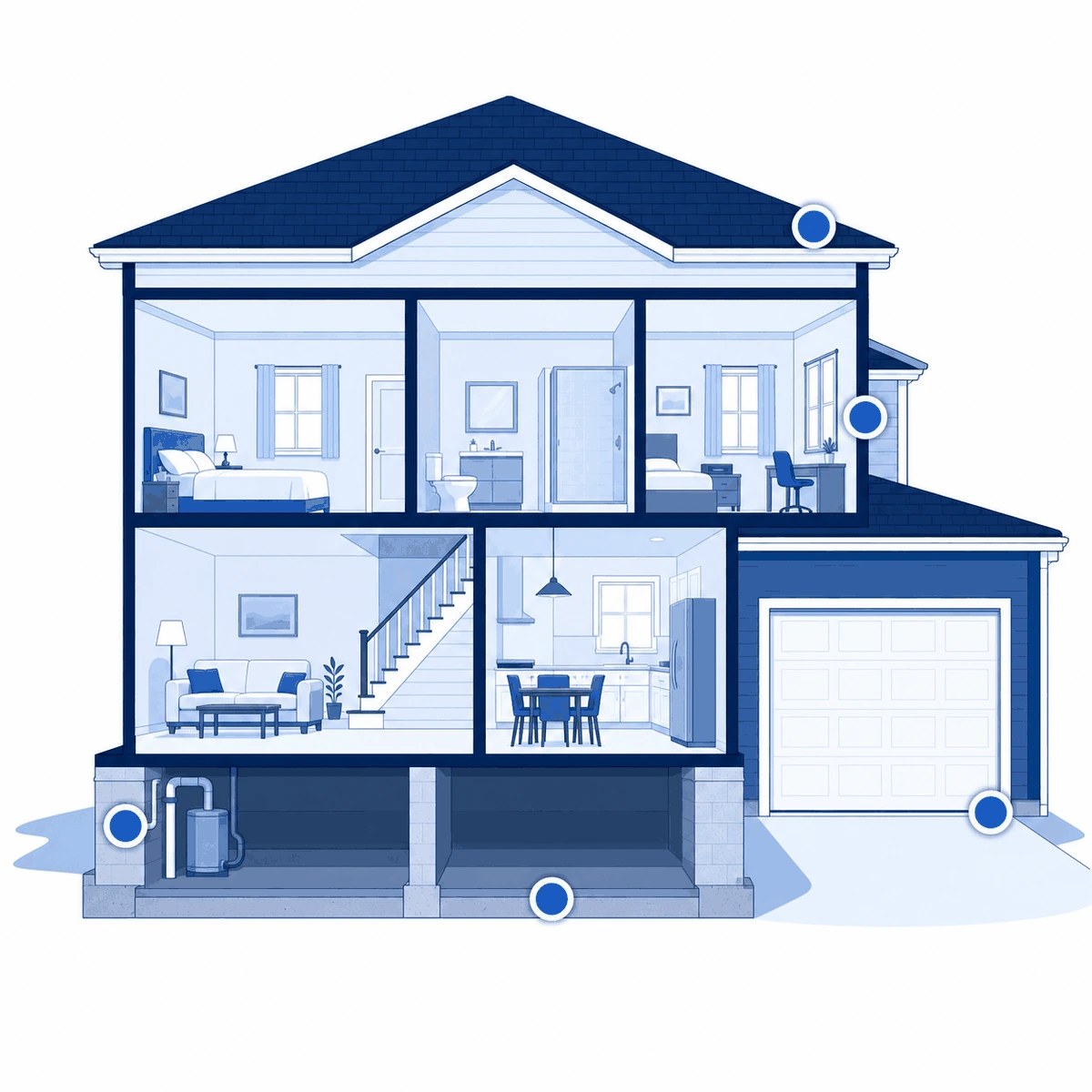
Flea and Tick Control Timing in Eastpointe
Active season
roughly 8 months of the year
Peak pressure
June through August
Fleas and ticks around Eastpointe concentrate in shaded, sheltered ground cover where humidity stays higher than in the open lawn.
What Flea and Tick Control Costs in Eastpointe
$145–$380
for indoor and yard treatment
Smaller communities often see slightly lower labour rates, though travel time can offset that if the provider is coming from a larger town nearby.
Ranges are typical market estimates, not quotes — final pricing depends on property size, severity and access.
Flea and Tick Control Cost by Treatment Method in Eastpointe
| Treatment | Typical cost | Notes |
|---|---|---|
| Indoor treatment | $145–$335 | Carpets, upholstery and pet resting areas, with an insect growth regulator. |
| Yard treatment | $95–$285 | Shaded perimeter areas only — open sunlit lawn rarely needs it. |
| Combined indoor + yard | $190–$475 | The usual recommendation, since treating one without the other fails. |
| Follow-up visit | $70–$190 | Required roughly two weeks later to catch newly hatched fleas. |
| Seasonal tick programme | $285–$665per season | Repeated perimeter treatment through the active season. |
Cost by Property Size in Eastpointe
| Property size | Typical range |
|---|---|
| Under 1,000 sq ft | $115–$270 |
| 1,000 – 2,000 sq ft | $145–$335 |
| 2,000 – 3,000 sq ft | $175–$400 |
| 3,000 – 4,000 sq ft | $195–$450 |
| Over 4,000 sq ft | $225–$520 |
Typical market ranges for Eastpointe, not quotes. Access, construction type and severity all move the final figure.
What a Fair Flea and Tick Control Quote Looks Like
Pricing in this trade varies widely for the same job, and most of that variation is not the treatment — it is what gets bundled, warrantied or upsold around it. Here is what a straightforward quote in Eastpointe should contain, and what should give you pause.
A quote should include
- A written inspection finding — what was found, where, and which species
- The specific treatment proposed and why it suits that species
- What is and is not covered, in writing
- Follow-up visits: how many, when, and whether they are included in the price
- Preparation instructions before the visit
- The technician’s licence number and proof of insurance
- Any guarantee period, and precisely what triggers a free re-treatment
What should give you pause
A price quoted before inspection
Property size, access and severity all move the figure. A phone quote is an anchor, not a commitment.
Annual contracts with no cancellation terms
Read the cancellation clause before signing. Auto-renewal with a penalty is common and easy to miss.
Vague "we use safe products"
Ask which EPA-registered product, applied where, and what the re-entry interval is. A professional will answer without hesitating.
No follow-up included
Most infestations need a second visit to break the life cycle. If follow-up is charged separately, factor it into the comparison.
No licence or insurance offered
Every state licenses pest control operators. A provider who will not show a licence number is not one to use.
If a quote is materially above the ranges above, that is not automatically wrong — access, construction and severity genuinely move the figure. But it does mean the provider should be able to explain exactly what accounts for the difference.
Flea and Tick Control Cost Calculator for Eastpointe, MI
Estimate what flea and tick control is likely to cost on your property. The starting range reflects local Eastpointe market rates; property size and how far the problem has progressed adjust it from there.
Estimated cost in Eastpointe
$145 – $380
for indoor and yard treatment
A one-off treatment suits a single identified problem. For ongoing pressure, a recurring plan usually costs less over a year.
Get an exact quote: +1 855 774 7802Estimates only, not a quote. Figures are based on typical Eastpointe market rates and adjust for property size and severity. Access, construction type and the specific pest all affect final pricing, which is why providers quote after inspection.
Flea and tick Activity Calendar for Eastpointe
Activity levels below are derived from Eastpointe's measured monthly temperature normals. Insect development effectively stops below about 50°F and accelerates above 75°F, so the local temperature curve sets the calendar.
| Month | Avg temp | Activity |
|---|---|---|
| January | 26°F | Dormant |
| February | 28°F | Dormant |
| March | 37°F | Dormant |
| April | 49°F | Low |
| May | 60°F | Moderate |
| June | 70°F | High |
| July | 75°F | Peak |
| August | 73°F | High |
| September | 65°F | High |
| October | 53°F | Low |
| November | 41°F | Dormant |
| December | 32°F | Dormant |
Eastpointe gets a genuine off-season: 5 months average below 45°F, when flea and tick activity effectively stops. Pressure peaks in July. Treating by May — before the build-up — takes materially less work than treating at peak.
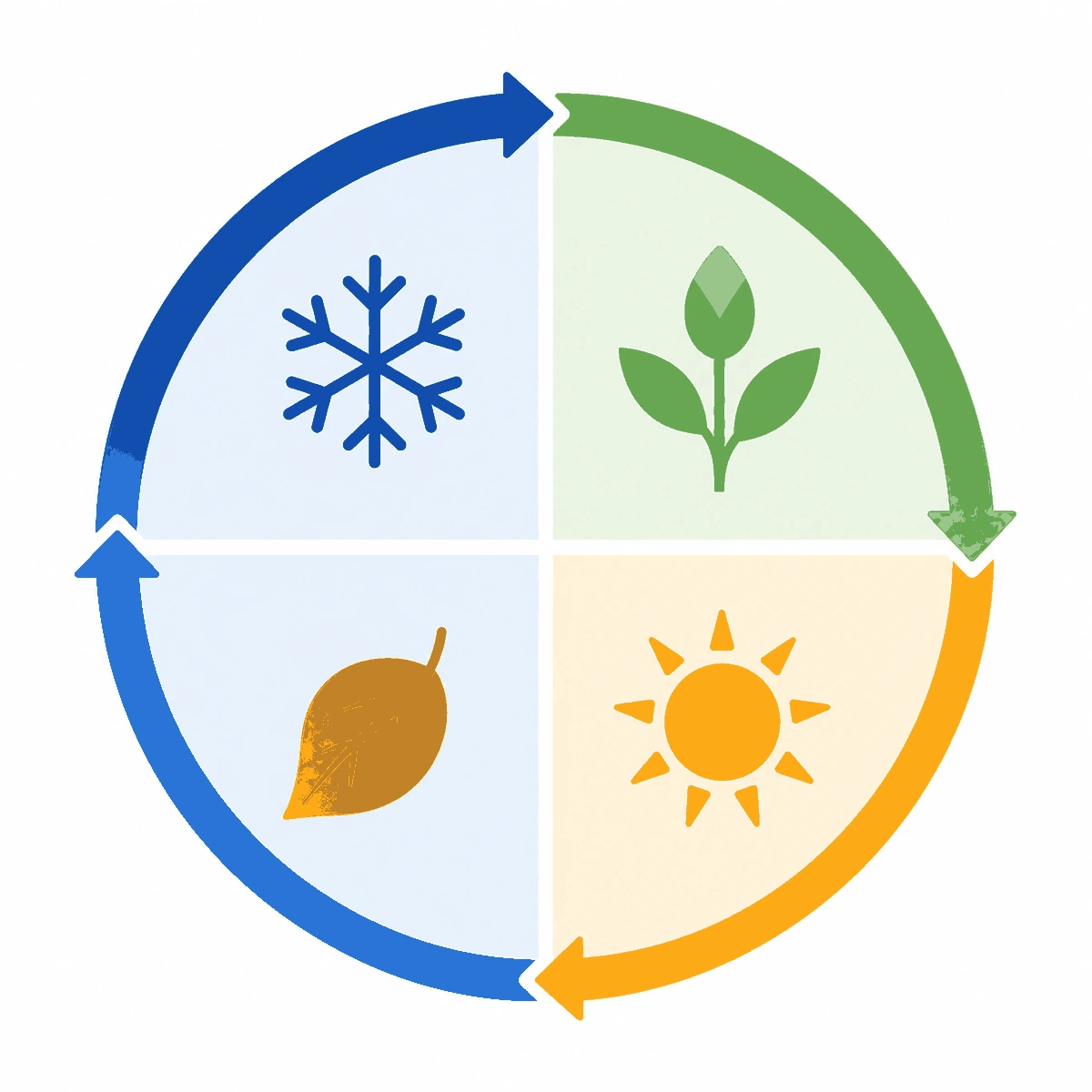
Monthly temperature normals: NOAA 1991–2020.
Eastpointe Climate and Pest Activity
Average July high
84°F
Average January low
20°F
Months above 80°F
2 of 12
Frost-free months
8 of 12
Annual precipitation
29.9"
Local normals for Eastpointe put the July average high at 84°F, the January average low at 20°F, and the frost-free stretch at about 8 months.
Fleas complete their life cycle fastest in warm, humid conditions and stall below about 50°F. Eastpointe's 2 months above 80°F and 29.9 inches of annual precipitation support moderate outdoor populations concentrated in shaded ground cover.
Figures are 1991–2020 climate normals from the NOAA station at Detroit City Ap, 5 miles away.
Eastpointe Housing and Pest Risk
Housing units
14,124
Built before 1960
78%
Single-family detached
91%
Owner-occupied
69%
Of the approximately 14,124 homes in Eastpointe, 78% date from before 1960, and 69% are owner-occupied.
The age of that stock is relevant to general pest control. Older homes typically have more gaps at the foundation, around utility penetrations and beneath doors, along with crawl spaces and basements that provide sheltered harbourage. Exclusion work usually pays back faster than repeat treatment in housing of this age.
Median home value locally is around $129,100, which is worth weighing against treatment cost — particularly for termite work, where an untreated colony can cause damage running to many thousands of dollars and is excluded from virtually every homeowner policy.
Housing figures: US Census Bureau, American Community Survey 5-year estimates (2023).
Local Conditions in Eastpointe, MI
Eastpointe is a smaller community of about 34,087 residents, and most providers here cover Macomb as a single service area rather than the town alone.
Cold winters mean the practical treatment window here is shorter than in southern markets, so timing matters: work scheduled early in the season prevents populations that would otherwise peak in late summer.
Eastpointe sits at roughly 42.5°N, and that position sets the frost line and the length of the active season more than any other single factor.
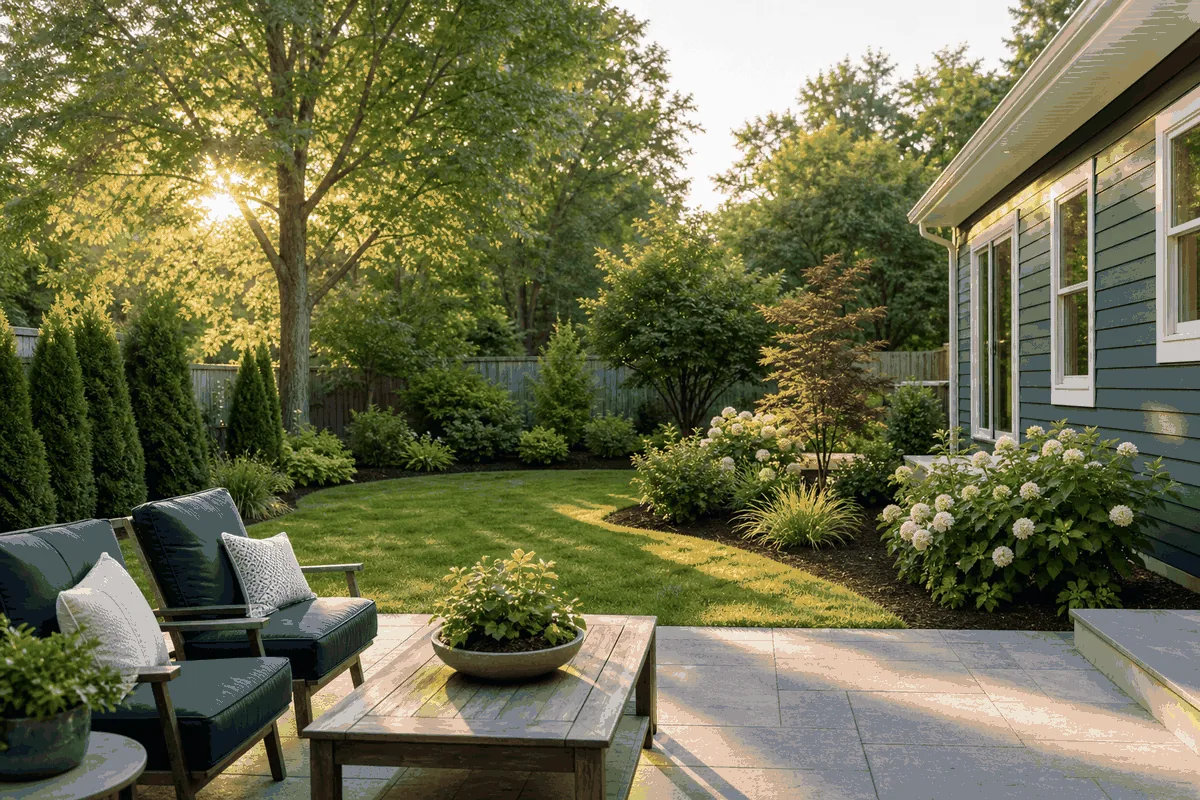
What Happens on the Visit
Source check
Pets, bedding and shaded yard areas are assessed together — treating the house without the animal simply restarts the cycle.
Indoor treatment
Carpets, upholstery and pet resting areas are treated with a product including an insect growth regulator to stop larvae developing.
Yard treatment
Shaded, humid perimeter areas are treated; open sunlit lawn rarely sustains populations and usually does not need it.
Coordination with your vet
On-animal treatment has to run alongside the property work for either to hold.
Providers serving Eastpointe often cover a wide rural area, so booking a day or two ahead gets a better time slot — urgent calls are still handled quickly.
How It Works in Eastpointe
Getting help through Eco First Pest Control is straightforward — one call, and a local professional takes it from there.

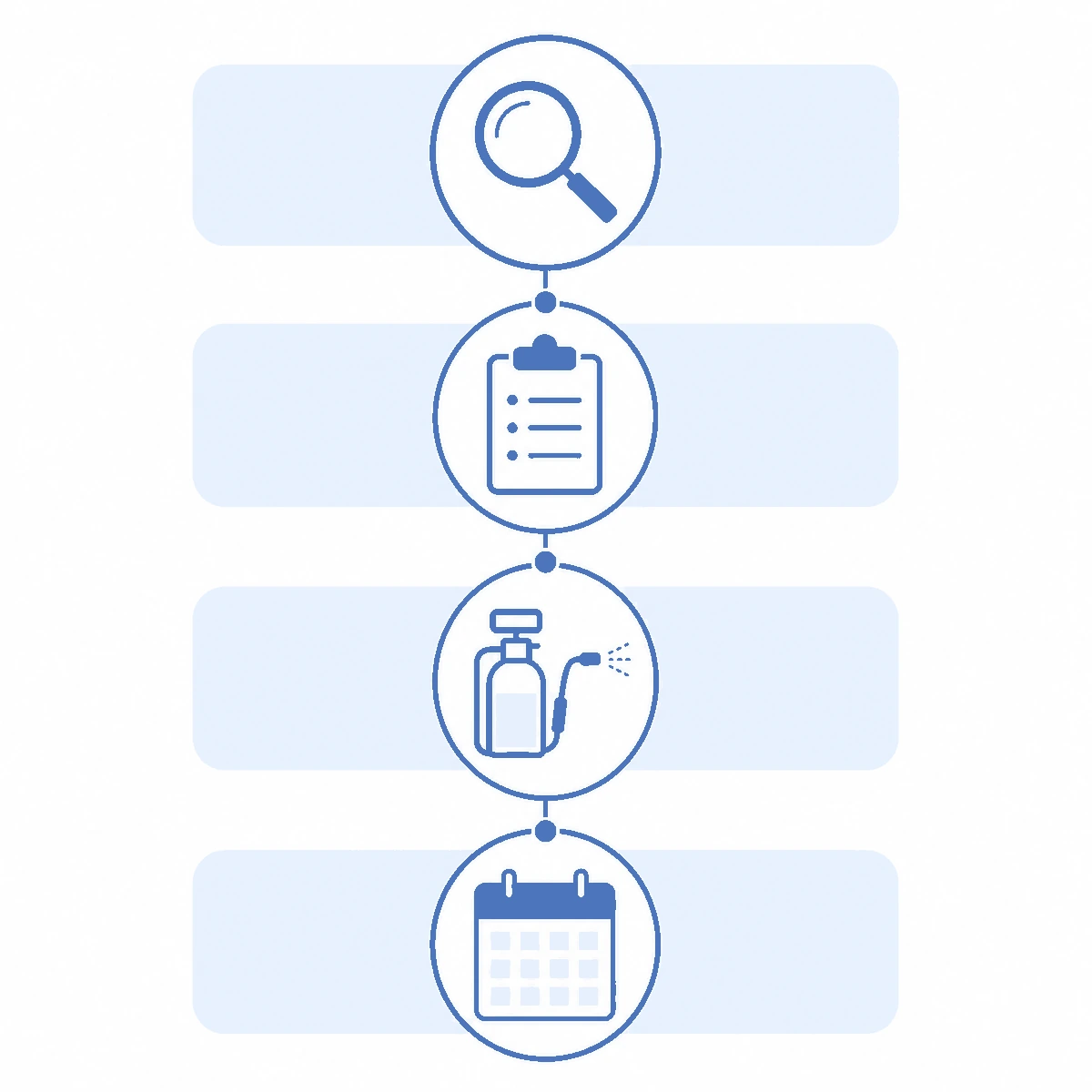
Call and describe the problem
Call +1 855 774 7802 and tell us what you're seeing, where, and for how long. It takes a couple of minutes.
Get matched with a local pro
We connect you with a licensed exterminator who covers your neighborhood and handles your specific pest.
Inspection and quote
The technician inspects the property, identifies the species and source, and gives you a clear treatment plan and price before any work starts.
Targeted treatment
Treatment uses products and methods matched to the pest and your household — including kid- and pet-conscious options where appropriate.
Prevention and follow-up
You get practical prevention steps, and many providers include follow-up visits or guarantees to make sure the problem stays solved.
Flea and Tick Control FAQs for Eastpointe, MI
Why do fleas come back after I treat the pet?
Because 95% of the infestation — eggs, larvae, pupae — lives in carpet, bedding, and yard soil, not on the animal. Coordinated home and yard treatment alongside pet treatment is what breaks the cycle.
How many treatments will fleas take?
Expect an initial treatment plus a follow-up 2–3 weeks later — flea pupae are protected from insecticides until they hatch, so the second visit catches the stragglers. Keep vacuuming between visits; it speeds the process.
Are yard tick treatments effective against disease risk?
Targeted treatments along yard perimeters, wood lines, and shaded vegetation sharply reduce questing tick numbers where people and pets actually walk. Pair with prompt tick checks after outdoor time.
Do I need to leave the house during treatment?
Typically you, kids, and pets stay off treated indoor surfaces until dry — a few hours. Your technician provides exact re-entry guidance for the products used.
When are ticks worst here?
Late spring through early summer for disease-carrying nymphs, with a second adult surge in fall. Two to three targeted yard treatments in this window cover the risk period.
How much does flea and tick control cost in Eastpointe?
Most Eastpointe homeowners pay roughly $145–$380 for indoor and yard treatment. Smaller communities often see slightly lower labour rates, though travel time can offset that if the provider is coming from a larger town nearby. Call +1 855 774 7802 for a quote on your specific property.
Do I need one-time or recurring service in Eastpointe?
Eastpointe's winters give a genuine break in pest pressure, so many households here do well with treatment timed to the start of the season plus a follow-up, rather than a year-round plan. Ongoing problems such as recurring ants or autumn rodent entry are the exception.
When is flea and tick control most needed in Eastpointe?
Roughly 8 months of the year, peaking June through August. Fleas and ticks around Eastpointe concentrate in shaded, sheltered ground cover where humidity stays higher than in the open lawn.
How quickly can someone come out in Eastpointe?
Providers serving Eastpointe often cover a wide rural area, so booking a day or two ahead gets a better time slot — urgent calls are still handled quickly.
Does winter in Eastpointe kill off fleas and ticks?
Not reliably. Eastpointe averages a January low of 20°F, which is cold enough to push fleas and ticks into shelter but not to eliminate them — and the shelter they choose is usually inside a heated structure. Cold winters tend to move the problem indoors rather than end it.
What time of year should I book flea and tick control in Eastpointe?
Eastpointe has about 8 frost-free months, so the effective window runs from spring through autumn. Treating early in that window — before populations build to their summer peak — takes noticeably less work than treating at peak.
Does Eastpointe's rainfall affect fleas and ticks?
Moderately. Eastpointe averages around 29.9 inches of precipitation annually, so fleas and ticks pressure tends to rise in the wetter months and ease in the drier ones. Treatment timed to the start of the wet season generally gets more out of each visit.
Why do fleas and ticks seem worse some summers in Eastpointe?
Development speed tracks temperature. Eastpointe averages a July high of 84°F across 2 months above 80°F, and in hotter-than-normal years the egg-to-adult cycle shortens — so more generations complete in the same season. That is why a warm spring often produces a noticeably worse summer, and why treatment timing matters more than treatment volume.
Get Flea and Tick Control in Eastpointe Today
Flea infestations multiply daily and tick season carries real disease risk. Get connected with a flea and tick professional in Eastpointe, MI and protect your pets and family properly.
Connect with a trusted pest control expert near Eastpointe