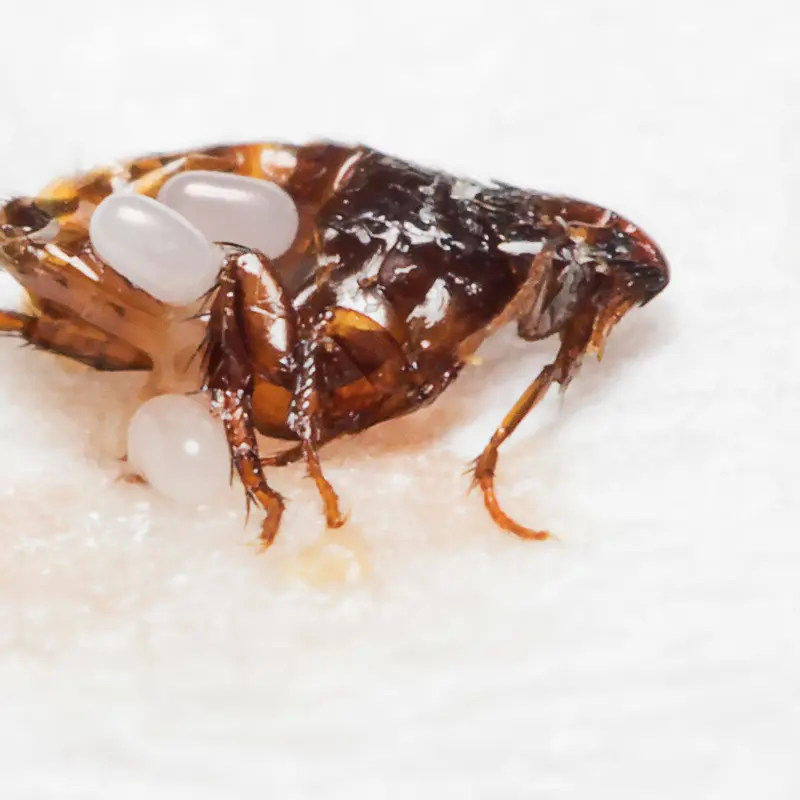
Bed Bug Control in Chapel Hill, NC
Bed bugs spread through travel, used furniture, and shared walls, and Orange County sees steady cases like everywhere else. The pros we connect you with throughout Chapel Hill and surrounding communities treat discreetly and follow up until activity is gone.
Professional options include whole-room heat treatment (lethal to all life stages in a single day), conventional insecticide programs over 2–3 visits, and combination approaches — your technician will recommend based on severity, dwelling type, and budget.
Why Chapel Hill Homes Deal With Bed Bug Control
North Carolina has a humid subtropical climate, and that shapes everything about local pest pressure. The humid subtropical climate keeps pests active nearly year-round. Cockroaches (including large "palmetto bugs"), fire ants, mosquitoes, and odorous house ants are constant pressures, and mild winters mean infestations rarely die off on their own.
Expect peak insect activity from March through October, with rodents pushing indoors during the brief cool season. Providers serving Chapel Hill know the local housing stock and pest seasons, and typically cover Orange County as a whole.
How to Confirm Bed Bugs
Bites in lines or clusters
Itchy welts in rows of two or three, typically on skin exposed during sleep — though reactions vary widely person to person.
Blood and fecal spotting
Rusty smears and pinpoint black dots along mattress seams, box springs, and sheet edges.
Live bugs and shed skins
Apple-seed-sized reddish-brown insects and translucent cast skins in seams, screw holes, and frame joints.
Eggs in crevices
Tiny white eggs (about 1mm) glued in dark cracks near sleeping areas.
A sweet, musty odor
Heavier infestations produce a distinct odor in the room.
Preventing Bed Bugs (and Reinfestations)
Inspect when you travel
Check hotel mattress seams and headboards; keep luggage on racks, and wash clothes on hot when you return.
Quarantine secondhand items
Inspect and treat used furniture, mattresses, and clothing before they enter the home.
Encase mattresses
Bed-bug-proof encasements deny harborage and make any new activity visible early.
Reduce clutter near beds
Less clutter means fewer hiding spots and faster, more effective treatments.
Act on the first sign
One pregnant female can start an infestation — early treatment is dramatically cheaper and faster.
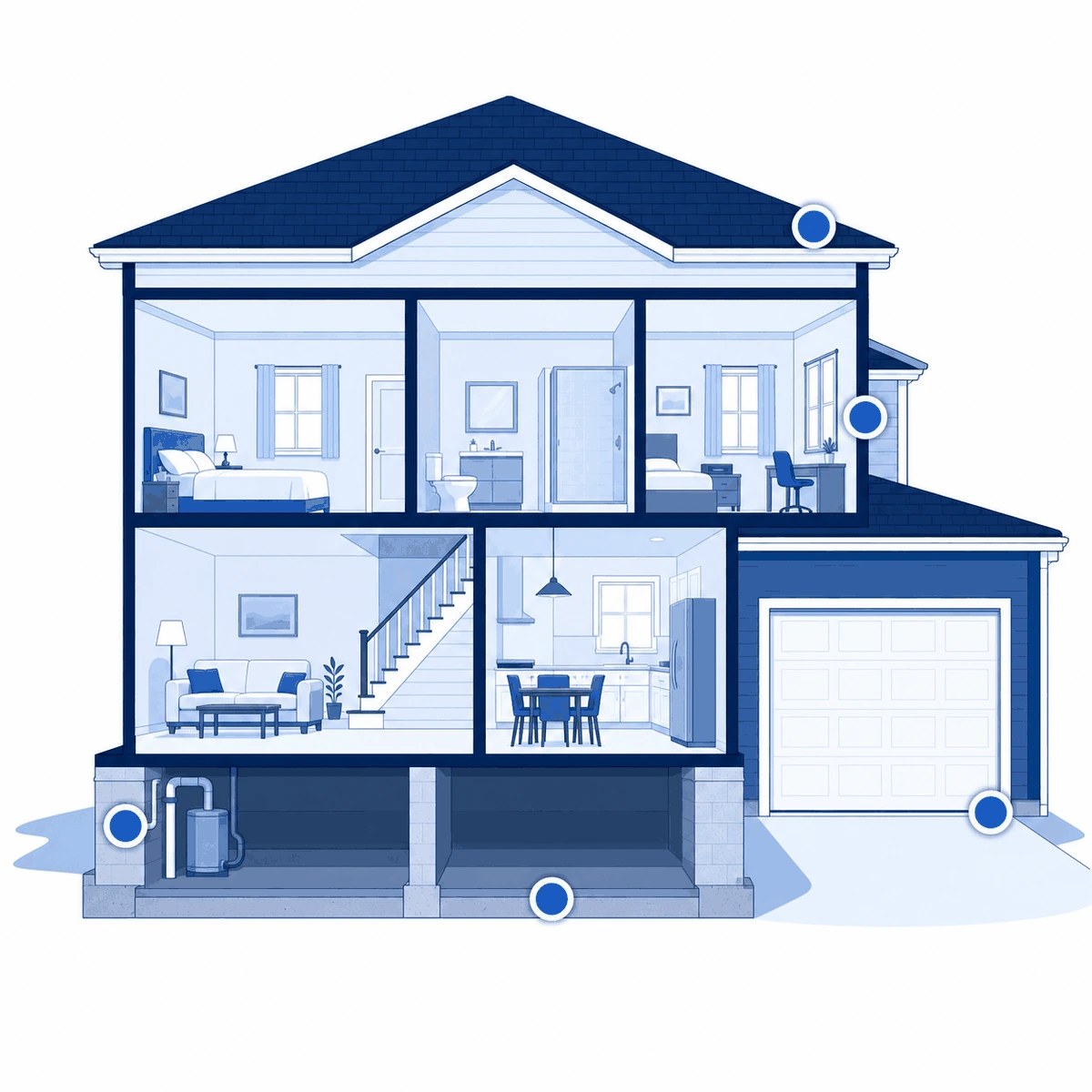
Bed Bug Control Timing in Chapel Hill
Active season
year-round — indoor temperatures, not weather, drive activity
Peak pressure
no true seasonal peak; travel periods raise introduction risk
Bed bugs in Chapel Hill live entirely indoors at conditioned temperatures, so unlike most pests there is no off-season and no benefit to waiting for a change in weather.
What Bed Bug Control Costs in Chapel Hill
$400–$1,800
depending on rooms treated
Mid-sized markets typically land in the middle of this range, with pricing driven mainly by property size and severity.
Ranges are typical market estimates, not quotes — final pricing depends on property size, severity and access.
Bed Bug Control Cost by Treatment Method in Chapel Hill
| Treatment | Typical cost | Notes |
|---|---|---|
| Heat treatment, per room | $400–$1,200 | Kills all life stages including eggs in one visit. No residue; room usually usable same day. |
| Heat treatment, whole home | $1,500–$4,000 | Priced on square footage and how many rooms need to reach lethal temperature. |
| Chemical treatment, per room | $250–$900 | Lower cost, but eggs survive — a second visit two to three weeks later is essentially always required. |
| Chemical, per treatment, per sq ft | $1–$3per sq ft | A useful cross-check on a whole-home quote. |
| Canine inspection | $200–$600 | Detection dogs find low-level infestations people miss. Ask about the handler’s certification. |
| Standard inspection | Free–$200 | Often free when treatment is booked. |
| Mattress encasements | $50–$150each | Traps anything remaining inside. A supporting measure, not a treatment. |
| Follow-up verification visit | Free–$250 | Should be included. If it is not, ask why. |
Cost by Property Size in Chapel Hill
| Property size | Typical range |
|---|---|
| Under 1,000 sq ft | $320–$960 |
| 1,000 – 2,000 sq ft | $400–$1,200 |
| 2,000 – 3,000 sq ft | $480–$1,440 |
| 3,000 – 4,000 sq ft | $540–$1,620 |
| Over 4,000 sq ft | $620–$1,860 |
Typical market ranges for Chapel Hill, not quotes. Access, construction type and severity all move the final figure.
What a Fair Bed Bug Control Quote Looks Like
Pricing in this trade varies widely for the same job, and most of that variation is not the treatment — it is what gets bundled, warrantied or upsold around it. Here is what a straightforward quote in Chapel Hill should contain, and what should give you pause.
A quote should include
- A written inspection finding — what was found, where, and which species
- The specific treatment proposed and why it suits that species
- What is and is not covered, in writing
- Follow-up visits: how many, when, and whether they are included in the price
- Preparation instructions before the visit
- The technician’s licence number and proof of insurance
- Any guarantee period, and precisely what triggers a free re-treatment
What should give you pause
Treatment without confirmed identification
Carpet beetles, bat bugs and spider beetles are routinely mistaken for bed bugs. Insist on seeing what was found before agreeing to treatment.
One chemical visit sold as a complete fix
Chemical treatment rarely kills eggs. A single visit with no follow-up scheduled is not a complete treatment.
Being told to throw out furniture
Most infestations are resolved without discarding furniture. Discarding items without treating them can spread the problem.
No preparation instructions
Preparation quality has a direct effect on outcome. A provider who gives you no prep list has not set the job up to succeed.
If a quote is materially above the ranges above, that is not automatically wrong — access, construction and severity genuinely move the figure. But it does mean the provider should be able to explain exactly what accounts for the difference.
Bed Bug Control Cost Calculator for Chapel Hill, NC
Estimate what bed bug control is likely to cost on your property. The starting range reflects local Chapel Hill market rates; property size and how far the problem has progressed adjust it from there.
Estimated cost in Chapel Hill
$400 – $1800
depending on rooms treated
Most providers quote after an inspection, since access and extent change the figure more than property size alone.
Get an exact quote: +1 855 774 7802Estimates only, not a quote. Figures are based on typical Chapel Hill market rates and adjust for property size and severity. Access, construction type and the specific pest all affect final pricing, which is why providers quote after inspection.
Bed bug Activity Calendar for Chapel Hill
Activity levels below are derived from Chapel Hill's measured monthly temperature normals. Insect development effectively stops below about 50°F and accelerates above 75°F, so the local temperature curve sets the calendar.
| Month | Avg temp | Activity |
|---|---|---|
| January | 42°F | High |
| February | 45°F | High |
| March | 52°F | High |
| April | 60°F | High |
| May | 68°F | High |
| June | 76°F | High |
| July | 80°F | High |
| August | 78°F | High |
| September | 72°F | High |
| October | 61°F | High |
| November | 51°F | High |
| December | 45°F | High |
Bed bugs are the exception to every seasonal rule: they live indoors at conditioned temperature, so activity in Chapel Hill is constant across all twelve months. There is no better or worse time of year to treat, and no benefit whatsoever to waiting.

Monthly temperature normals: NOAA 1991–2020.
Chapel Hill Climate and Pest Activity
Average July high
90°F
Average January low
32°F
Months above 80°F
4 of 12
Frost-free months
11 of 12
Annual precipitation
43.6"
Measured against the 1991–2020 normals, Chapel Hill sees 4 months above 80°F, peaks around 90°F in July and drops to roughly 32°F in January.
Bed bugs are the one major pest that ignores outdoor climate entirely — they live at conditioned indoor temperatures year-round. The local 90°F summers and 32°F winters have no bearing on an active infestation in Chapel Hill, which is why waiting for a change in season achieves nothing here.
Figures are 1991–2020 climate normals from the NOAA station at Chapel Hill Williams Ap, 1 miles away.
Chapel Hill Housing and Pest Risk
Housing units
23,205
Built before 1960
13%
Single-family detached
42%
Owner-occupied
49%
Built since 2010
13%
Census figures put Chapel Hill's housing stock at roughly 23,205 units, with 13% predating 1960 and 13% built since 2010.
Chapel Hill has a significant share of multi-unit and rented housing (only 42% is single-family detached). This matters a great deal for bed bugs: they travel between units through wall voids, shared plumbing and electrical runs, so treating one unit in isolation frequently fails. Buildings with recurring problems generally need a coordinated approach across adjacent units.
Median home value locally is around $576,500, which is worth weighing against treatment cost — particularly for termite work, where an untreated colony can cause damage running to many thousands of dollars and is excluded from virtually every homeowner policy.
Housing figures: US Census Bureau, American Community Survey 5-year estimates (2023).
Local Conditions in Chapel Hill, NC
Chapel Hill's population of roughly 58,919 supports several established providers, so scheduling is usually possible within a few days outside peak season.
Serving roughly 58,919 residents across Orange, providers here plan routes around travel distance, which affects how quickly a follow-up visit can be scheduled.

What Happens on the Visit
Confirmation
Live insects, shed skins or fecal spotting are confirmed first — several other insects are routinely mistaken for bed bugs.
Preparation
You will be given a specific prep list. How well this is done has a direct effect on whether treatment succeeds.
Treatment
Heat treatment, targeted insecticide, or a combination — heat kills all life stages in one visit but requires specialist equipment.
Verification
A follow-up inspection two weeks later confirms eradication, since eggs can survive some chemical treatments.

Most providers covering Chapel Hill can schedule within two to three days, sooner for urgent problems.
How It Works in Chapel Hill
Getting help through Eco First Pest Control is straightforward — one call, and a local professional takes it from there.
Call and describe the problem
Call +1 855 774 7802 and tell us what you're seeing, where, and for how long. It takes a couple of minutes.
Get matched with a local pro
We connect you with a licensed exterminator who covers your neighborhood and handles your specific pest.
Confirmation inspection
The specialist inspects sleeping areas, furniture, and adjacent rooms to confirm bed bugs (not bat bugs or fleas) and gauge the spread.
Heat or conventional treatment
Heat treatments raise rooms to lethal temperatures for several hours in one visit; conventional programs treat harborage over multiple visits. Both come with clear prep instructions.
Follow-up verification
Re-inspection (and monitors where useful) confirms elimination — reputable providers stand behind the result.
Bed Bug Control FAQs for Chapel Hill, NC
Heat treatment or chemical — which should I choose?
Heat kills every life stage (including eggs) in one day and suits severe or widespread cases; conventional programs cost less and work well for early, contained infestations. Many pros combine both for stubborn cases.
Do I need to throw away my mattress?
Usually not. Treatment plus a quality encasement salvages most mattresses. Discarding items can actually spread bugs through the building — ask your technician before removing anything.
Why did DIY sprays make it worse?
Most retail sprays are repellents that scatter bed bugs into walls and neighboring rooms, expanding the infestation. Professionals use non-repellent products and physical methods that avoid this.
How should I prepare for treatment?
Your provider sends a prep sheet — typically laundering bedding on hot, reducing clutter, and ensuring access to furniture. Good prep meaningfully improves results, and over-moving items can spread bugs, so follow the sheet exactly.
Do I really need year-round pest control in the South?
In most southern states, yes. Winters are rarely cold enough to knock down pest populations, so quarterly treatments are the most common and effective schedule. A local technician can recommend the right frequency after an inspection.
How much does bed bug control cost in Chapel Hill?
Most Chapel Hill homeowners pay roughly $400–$1800 depending on rooms treated. Mid-sized markets typically land in the middle of this range, with pricing driven mainly by property size and severity. Call +1 855 774 7802 for a quote on your specific property.
Do I need one-time or recurring service in Chapel Hill?
With Chapel Hill staying frost-free for most of the year, pest pressure here barely pauses, and recurring quarterly service generally outperforms one-off treatment. A single visit still makes sense for a specific problem such as a wasp nest.
When is bed bug control most needed in Chapel Hill?
Year-round — indoor temperatures, not weather, drive activity, peaking no true seasonal peak; travel periods raise introduction risk. Bed bugs in Chapel Hill live entirely indoors at conditioned temperatures, so unlike most pests there is no off-season and no benefit to waiting for a change in weather.
How quickly can someone come out in Chapel Hill?
Most providers covering Chapel Hill can schedule within two to three days, sooner for urgent problems.
What time of year should I book bed bug control in Chapel Hill?
Immediately, whenever the problem is identified. Bed bugs live indoors at conditioned temperatures, so Chapel Hill's outdoor climate has no bearing on them and delaying only allows the population to grow.
I live in an apartment in Chapel Hill — does that change anything?
Considerably. Only 42% of Chapel Hill's housing is single-family detached, so a large share is multi-unit. Bed bugs travel between units through wall voids, shared plumbing and electrical runs, which means treating one unit in isolation frequently fails. If neighbouring units are affected, a coordinated treatment is what actually resolves it — worth raising with your building manager.
Get Bed Bug Control in Chapel Hill Today
Bed bugs never resolve on their own — every week of waiting expands the infestation. Get connected with a bed bug specialist in Chapel Hill, NC and put an end date on the problem.
Connect with a trusted pest control expert near Chapel Hill